Choosing between Biddeford’s Mill District and a more suburban neighborhood is not just about square footage. It is about how you want your day-to-day life to feel. If you are trying to decide between walkable historic living and a lower-density residential setting, this guide will help you compare the tradeoffs clearly and confidently. Let’s dive in.
Mill District vs Suburban Living
Biddeford gives you two very different living experiences within the same city. According to the city’s planning documents, the downtown core and adjacent Mill District are the highest-intensity growth areas, with ongoing redevelopment, transit-oriented planning, and reduced parking requirements. Suburban residential areas, by contrast, are described as lower-density neighborhoods with a mix of multifamily housing and postwar single-family homes.
That official distinction matters because it shapes everything from housing style to your daily routine. In simple terms, the Mill District is built around mixed-use, walkable living, while suburban Biddeford is better suited to a more traditional, car-oriented lifestyle.
What the Mill District Feels Like
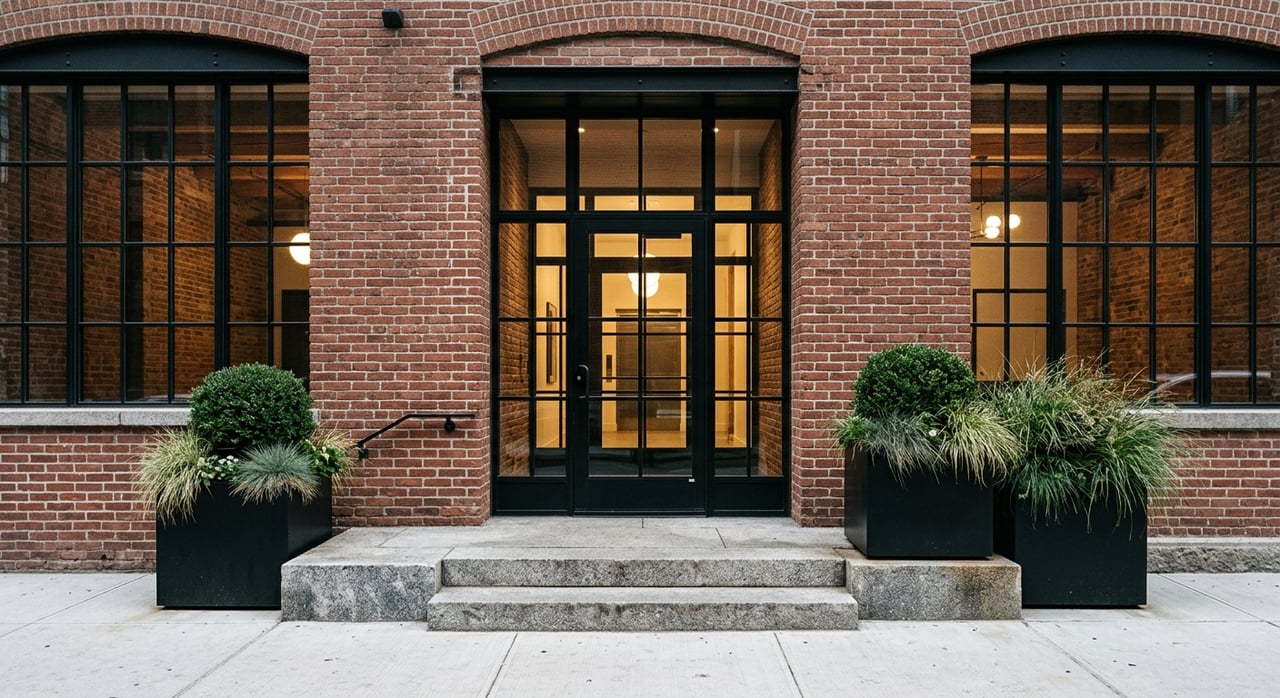
The Mill District is not a typical downtown neighborhood. The city describes it as a mixed-use district for residential, commercial, artisan, and light industrial uses, centered around Biddeford’s historic mills and the Saco River. Plans for the area highlight the RiverWalk, riverfront public spaces, and pedestrian connections to downtown and the nearby Saco Island rail station through the Mill District master plan.
That gives the area a strong sense of place. You are not just buying into a location. You are buying into a historic, adaptive-reuse setting shaped by old brick mill buildings, river views, and a growing mix of homes, businesses, and public spaces.
The historic identity is a big part of the appeal. The Biddeford Main Street Historic District includes a half-mile corridor of mostly brick two- to four-story buildings with architectural styles tied to the city’s industrial past. For buyers who value character and atmosphere, that can feel very different from newer suburban development.
What Suburban Biddeford Feels Like
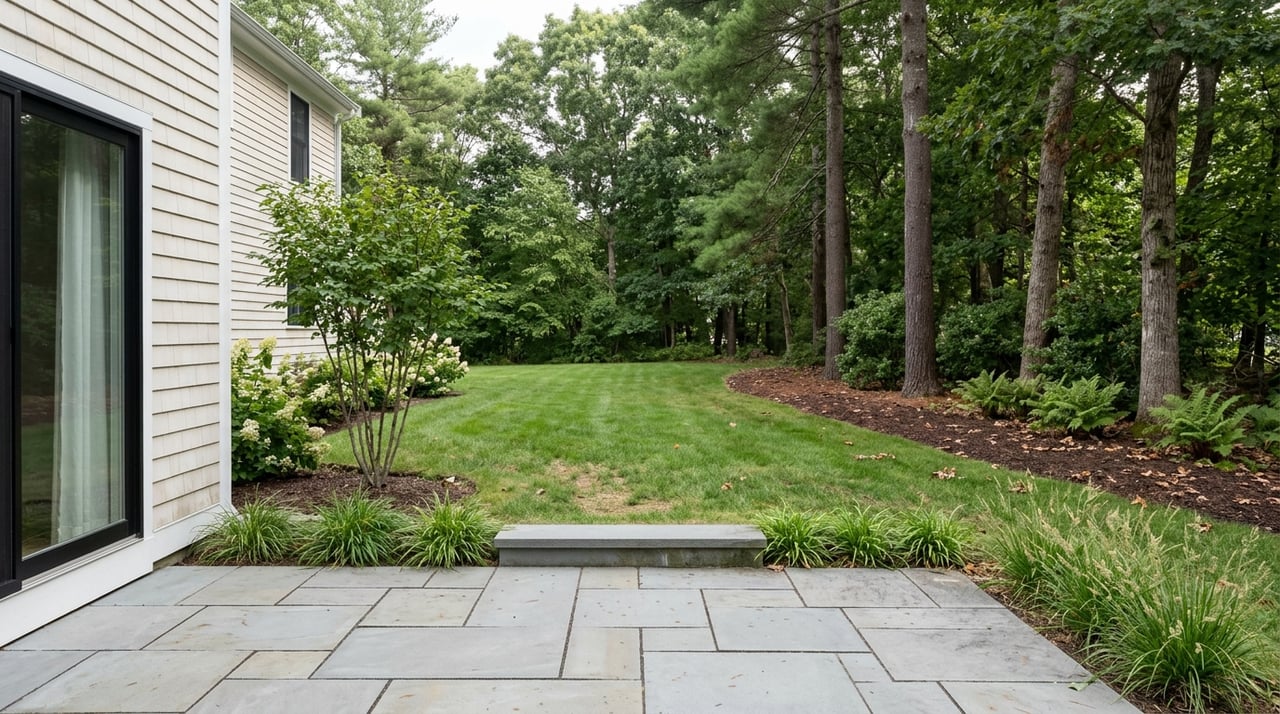
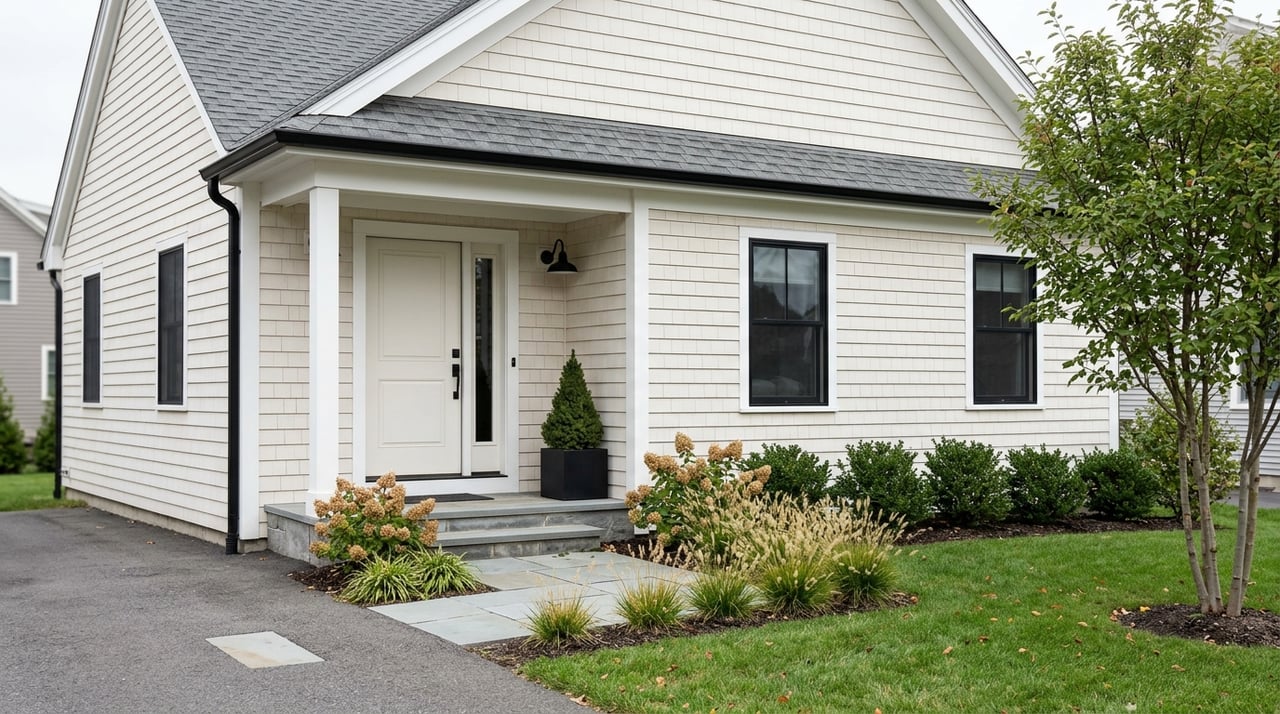
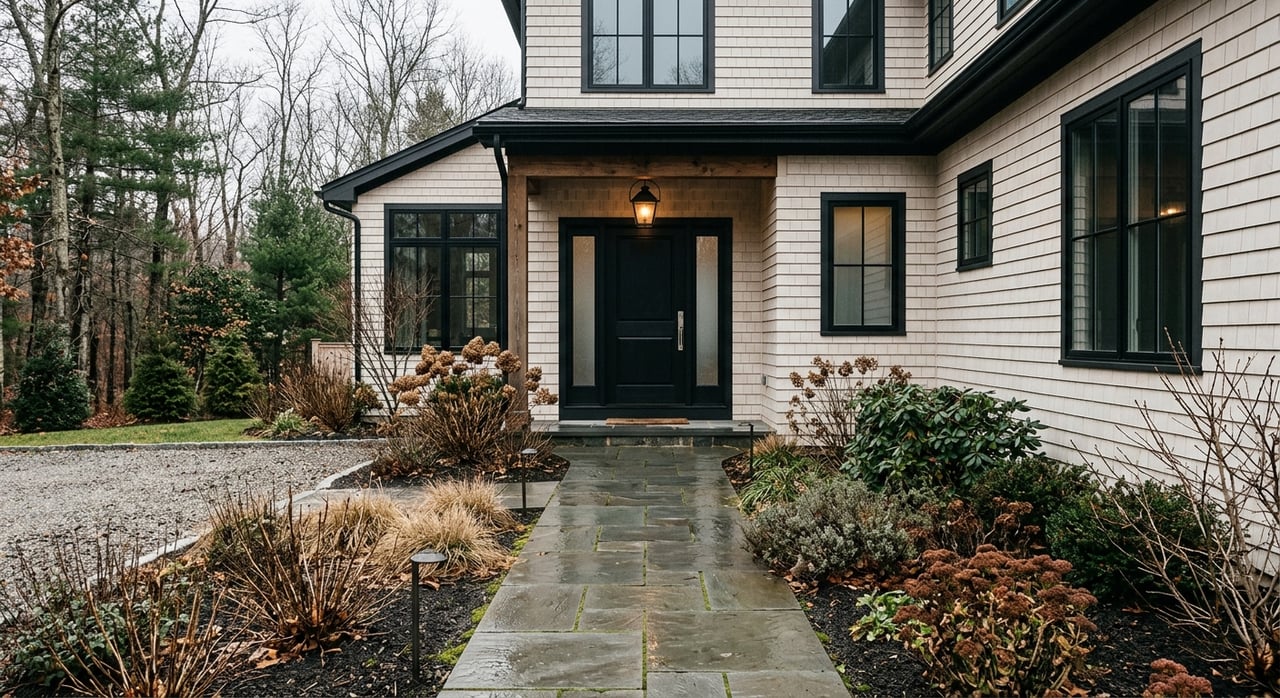
Suburban Biddeford offers a more conventional residential pattern. The city’s comprehensive plan describes these areas as lower-density neighborhoods with a mix of multifamily housing and postwar single-family homes. In practical terms, that usually means more separation between homes, a quieter streetscape, and a routine that centers more on driving than walking.
For many buyers, that is exactly the point. If you want a detached home, more private outdoor space, and a layout that feels more traditional, suburban areas may line up better with your goals.
Biddeford’s housing options are broad overall. The city says it includes single-family homes, multifamily homes, apartment buildings, and condos across town, suburban, rural, and coastal settings, with nearly 10,000 dwelling units listed on its housing overview page. That variety gives you real flexibility depending on the lifestyle you want.
Housing Types and Price Range
One of the clearest differences between the Mill District and suburban living is the type of housing you are likely to find. In and around downtown, the appeal often centers on older in-town homes, adaptive-reuse properties, rental units, and mixed-use buildings. In suburban areas, the housing stock leans more toward traditional single-family homes and newer subdivisions.
The city provides broad pricing guideposts that are useful for comparison. It says existing homes in downtown neighborhoods can start around $200,000, while homes in new subdivisions start around $300,000. Some lots in new subdivisions can support homes in the $300,000 to $600,000 range, while waterfront and coastal homes are listed far higher, from $600,000 to $6,000,000.
These are city-level estimates, not current market medians, but they still help frame the decision. If your priority is a lower entry point, downtown may offer more options. If your priority is newer construction or a more conventional layout, suburban neighborhoods may come at a higher starting price.
Adaptive Reuse Is Shaping the Core
The Mill District is still evolving. Biddeford’s planning department highlights redevelopment work in the downtown core, including projects at 3 Lincoln Street and 17 Lincoln Street, as part of its active focus on the area through Planning and Development.
A strong example is the redevelopment of 17 Lincoln Street. The city says the Hotel and Lofts at 17 Lincoln Street opened in 2022 as a former textile mill converted into 140 rental units, a 33-room boutique hotel, a restaurant, a fitness center, and community space, as noted on the city’s economic development page.
That tells you something important about the Mill District. It is not a static neighborhood. It is an area where historic buildings are being adapted for modern living, with city policy focused on growth, reuse, and preserving character at the same time.
Walkability, Transit, and Daily Routine
If mobility matters to you, the Mill District has a clear edge. The downtown core and Mill District are being shaped around a more connected lifestyle, with pedestrian links, public spaces, transit access, and reduced parking requirements in official planning documents.
For rail travel, the Amtrak Downeaster runs five daily round trips between Brunswick and Boston. The Saco Transportation Center at 138 Main Street in Saco is positioned for walk access to downtown shops and restaurants, and Biddeford’s RiverWalk system connects the Pepperell Mill campus, Saco Island Mills, and the station area.
Local transit also supports the core. Biddeford Saco Old Orchard Beach Transit operates six fixed routes seven days a week, along with paratransit service, the QuickRide on-demand microtransit program, and the ZOOM Express commuter route to Portland, according to the city’s comprehensive plan.
Suburban living works differently. In lower-density neighborhoods, driving is usually the more practical option for errands, commuting, and daily life. That does not make suburban living less desirable. It just means your routine may depend less on walking and transit and more on access by car.
Parking Differences Matter
Parking is one of the most practical ways these two lifestyles diverge. In downtown Biddeford, on-street parking is free, but many spaces have two- or four-hour limits. Public lots and the Pearl Street Garage are managed with hourly or monthly rates, and the garage was built to support downtown and Mill District growth, according to the city’s parking information page.
In suburban settings, parking tends to feel simpler and more built into the housing pattern. If you expect multiple vehicles, frequent errands, or a less time-sensitive parking setup, that can become a meaningful quality-of-life difference.
Dining, Events, and Recreation
The Mill District and downtown core offer a stronger concentration of restaurants, events, and cultural attractions. Biddeford’s visitor information highlights a nationally recognized food scene, along with recurring local experiences like the Biddeford ArtWalk, the Biddeford Mills Museum, City Theater, WinterFest, and River Jam on the city’s Shop Biddeford page.
That concentration of activity is part of what makes the core appealing. If you like being near dining, public events, and a more energetic streetscape, the Mill District may feel like a better match.
Suburban neighborhoods still offer strong access to recreation, just in a different form. Biddeford points to public beaches at Biddeford Pool and Fortune’s Rocks, boating and canoeing on the Saco River and Atlantic Ocean, Rotary Park, Clifford Park’s trail system, the Eastern Trail, and the RiverWalk through the city recreation page.
So the question is not whether you can enjoy the outdoors in Biddeford. It is whether you want your lifestyle centered around a walkable urban core or a quieter residential base with recreation a short drive away.
Long-Term Considerations for Buyers
Lifestyle matters, but so does long-term ownership fit. The city’s comprehensive plan notes that coastal areas such as Biddeford Pool, Hills Beach, and Fortune’s Rocks face rising flood and sea-level risks. It also notes that some downtown areas along the Saco River are flood-vulnerable.
That does not mean you should avoid these locations. It does mean you should weigh climate exposure, insurance considerations, and property-specific risk carefully, especially if you are considering river-adjacent, coastal, or seasonal ownership.
For suburban inland living, those concerns may be less central to your decision. If long-term predictability and lower climate exposure are high on your list, that can tilt the scale toward a more inland neighborhood.
Which Lifestyle Fits You Best?
The Mill District may be the better fit if you want:
- Historic character and adaptive-reuse housing
- Walkable access to restaurants, events, and public spaces
- Stronger transit and rail connectivity
- A smaller-footprint home in a mixed-use setting
Suburban Biddeford may be the better fit if you want:
- Lower-density residential surroundings
- A more traditional single-family home feel
- Easier car-based daily living
- More separation between residential and commercial activity
Neither option is universally better. The right choice depends on how you want to live now and what will still work for you a few years from today.
If you are weighing Biddeford’s Mill District against suburban neighborhoods, working with a local advisor can help you compare not just listings, but the lifestyle and long-term fit behind them. If you want help narrowing down the right area for your goals, connect with Adam Parent for local guidance built around how you actually want to live.
FAQs
What is the main difference between Biddeford’s Mill District and suburban living?
- The Mill District is a higher-density, mixed-use area with historic character, walkability, and stronger transit access, while suburban Biddeford is lower density and generally better suited to a more traditional, car-oriented routine.
Who is Biddeford’s Mill District best suited for?
- The Mill District is often a strong fit if you want adaptive-reuse housing, a walkable setting, access to dining and events, and easier connections to rail and local transit.
Who is suburban Biddeford best suited for?
- Suburban Biddeford may fit you better if you want a detached-home feel, lower-density surroundings, and a daily routine that centers on driving rather than walking.
How do home prices compare in downtown Biddeford and suburban areas?
- Based on city housing guidance, existing homes in downtown neighborhoods can start around $200,000, while homes in new subdivisions start around $300,000, with some subdivision lots supporting homes in the $300,000 to $600,000 range.
Is transit useful if you live near downtown Biddeford?
- Yes. The downtown and Mill District area has the strongest access to the Amtrak Downeaster, local bus routes, on-demand microtransit, and commuter service toward Portland.
What long-term risk should buyers consider in Biddeford?
- Buyers should pay close attention to flood and climate exposure for coastal and some river-adjacent properties, since the city’s planning documents identify those areas as more vulnerable over time.