Looking for a place where old brick mills, local coffee spots, and nearby residential streets all meet in one compact area? Downtown Biddeford offers a version of southern Maine living that feels distinct from a typical neighborhood search. If you are trying to decide between a loft, a mixed-use building, or a home close to the core, this guide will help you understand how downtown Biddeford works day to day. Let’s dive in.
What makes downtown Biddeford unique
Downtown Biddeford stands out because it blends a historic mill-city core with active redevelopment. City planning materials describe the downtown and Mill District as places with continued residential and mixed-use growth, and the area now combines housing, shops, offices, dining, light manufacturing, and community activity.
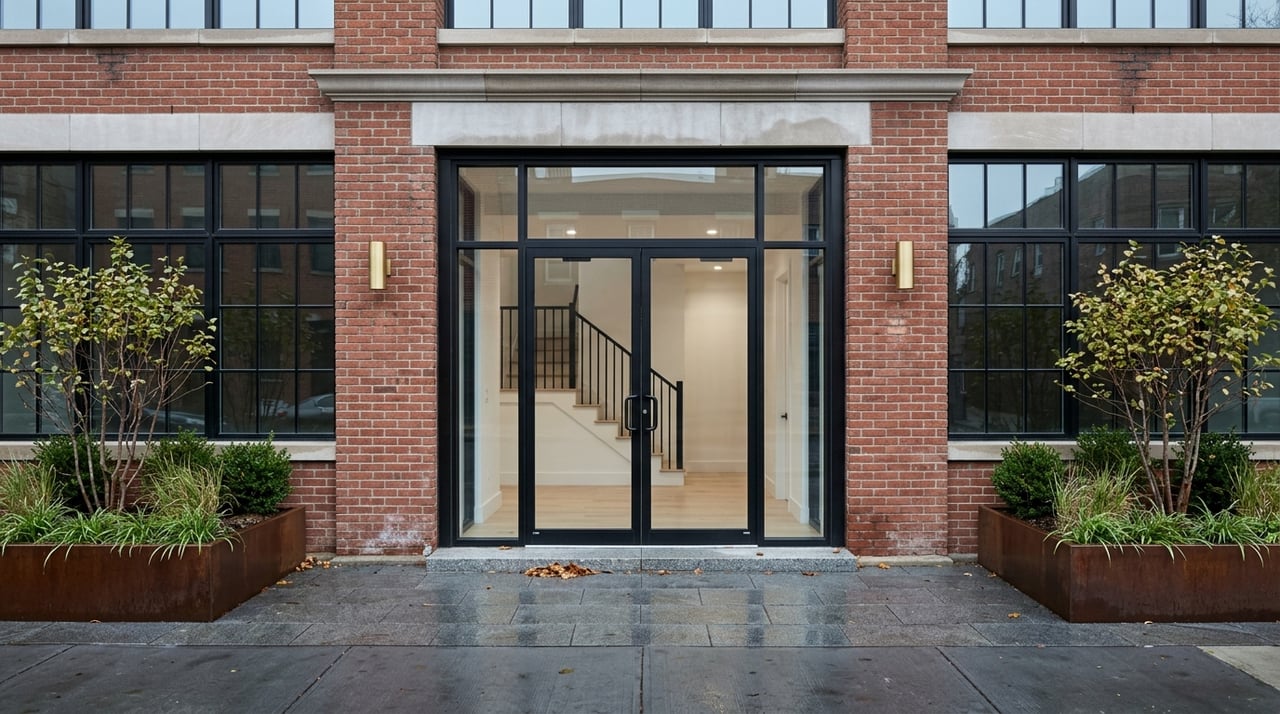
The physical character also feels different from many nearby markets. You will see historic commercial buildings, churches, textile mills, and older homes in a more urban street pattern. Main Street remains a working downtown with businesses, studios, and offices, which gives the area a more active, everyday feel.
Another important detail is that the city identifies several preservation areas in and around the core. These include the Downtown Historic District, the Mill Area Historic District, and the Mixed Residential Historic District. For you as a buyer or seller, that signals a downtown with real architectural continuity, not just a cluster of new projects.
Downtown housing options
Mill lofts and adaptive reuse
If you are drawn to character, exposed brick, and a location close to restaurants and events, mill-style housing is a big part of the appeal. Adaptive reuse sits at the center of Biddeford’s housing story, with former mill buildings converted into mixed-use spaces that combine residential and commercial uses.
The Pepperell Mill Campus is one of the clearest examples. The city describes it as a former mill complex that now supports residential apartments along with commercial space. That kind of setup appeals to people who want a home with industrial character in a setting that feels tied to Biddeford’s history.
Another notable example is the Lincoln Hotel and Lofts at 17 Lincoln Street. The city describes it as a converted mill building with residential rentals alongside hospitality, dining, fitness, and community space. It shows how downtown living here can be more integrated into the surrounding activity than a traditional subdivision or stand-alone building.
Mixed-use buildings downtown
Downtown Biddeford also includes smaller mixed-use properties beyond the major mill conversions. A National Park Service case study of 17 Alfred Street highlights a historic downtown building that was rehabilitated into commercial space below and apartments above, with full occupancy after completion.
For buyers, that points to another housing pattern in the core. Not every downtown option is a large loft project. Some properties offer a more classic Main Street format, where residential units sit above active ground-floor uses.
Homes near the core
If you like the energy of downtown but want a more traditional home setting, the areas around the center may be a better fit. The city’s preservation program includes a Mixed Residential Historic District, which supports the idea that downtown Biddeford is not only mills and storefronts.
That creates a useful middle ground. You may be able to stay close to Main Street amenities while living in an older home with more separation from the busiest blocks. For many buyers, that balance is what makes the area worth a closer look.
Daily life in downtown Biddeford
Dining and local businesses
One of the strongest parts of downtown Biddeford living is how much is packed into a relatively small area. Heart of Biddeford listings show a mix of diners, cafés, breweries, distilleries, and retailers, including Palace Diner, Banded Brewing, Batson River Brewing & Distilling, Catface Cafe, and Time and Tide Coffee.
That variety shapes your day-to-day routine in a real way. Instead of planning around a short list of stops, you have a downtown where grabbing coffee, meeting friends, or heading out for a casual meal can happen close to home. For many buyers, convenience and atmosphere matter just as much as square footage.
Arts and community events
Arts and events are another part of the neighborhood identity. The city points to City Theater as a downtown anchor, while local organizations support recurring events such as River Jam, Winterfest, Fringe Fest, and Art Walk.
Art Walk in particular helps define the feel of the district. It connects artists, musicians, makers, and local businesses on a recurring basis. If you want a neighborhood that feels active beyond the workday, this kind of programming adds a lot to the experience.
Riverfront access and outdoor appeal
The riverfront adds another layer to downtown life. The city says the RiverWalk opens views of the Saco River, and local launches and parks provide access for boating or paddling.
Biddeford also highlights nearby beaches, trails, and preserved natural areas as part of the broader lifestyle. That means downtown living is not only about brick buildings and storefronts. You also have meaningful access to water and outdoor spaces within the larger local setting.
What to know before you buy
Parking can be limited
Downtown living often comes with tradeoffs, and parking is one of the biggest practical ones in Biddeford. The city says parking in the downtown and Mill District has become increasingly scarce.
If you are considering a loft or walk-up apartment, think carefully about how often you rely on a car. A property that feels perfect on paper may function differently if parking convenience is high on your list.
Historic review may affect updates
Another factor to understand is exterior review in parts of the historic core. In Biddeford’s MSRD zones, many exterior changes visible from a street or open space require a Certificate of Appropriateness.
That does not mean ownership is difficult, but it can mean more review than you would expect in a newer neighborhood. If you are buying a property with renovation plans in mind, this is the kind of detail worth understanding early.
Getting around from downtown Biddeford
Downtown Biddeford offers more than one way to get around, which is part of its appeal. The nearest Downeaster stop is the Saco Transportation Center, and Amtrak notes that it is near downtown Saco and Biddeford. The city’s comprehensive plan also says the station is within walking distance of downtown Biddeford.
Local bus service adds another option. BSOOB Transit serves Biddeford, Saco, and Old Orchard Beach, and the city supports ongoing work to maintain and improve that service.
If you drive, regional access is still straightforward, but there is one key local note. Biddeford’s only access point to Interstate 95 is Exit 32, which connects to Route 111 and Route 1 via the Biddeford Connector road. The city also notes congestion at that interchange, so timing can matter even when the overall location is convenient.
Which type of home fits your lifestyle?
Choose a downtown loft if you want activity
A loft or downtown apartment may fit best if you want character and immediate access to restaurants, events, and a more walkable routine. This option tends to suit buyers who enjoy being close to the center of activity and are comfortable with an urban-style setup.
It can also be a strong fit if the architecture matters to you. Former mill buildings and mixed-use conversions offer a living experience that is hard to replicate in newer construction.
Choose a nearby home if you want more separation
A nearby residential home may be a better fit if you want to stay close to Main Street but prefer a quieter day-to-day rhythm. You may still enjoy the dining, arts, and riverfront access of downtown without living in the middle of its busiest blocks.
For many buyers, this is the best of both worlds. You get proximity to what makes Biddeford interesting, while keeping a little more space between home and the downtown pace.
Why this matters for sellers
If you are selling near downtown Biddeford, your property’s setting is a major part of the story. Historic architecture, walkability, dining, arts programming, and transportation access all help define what makes this part of the city stand out.
That means strong marketing should do more than list features. It should show how your property connects to the rhythm of downtown, the Mill District, and the broader Biddeford lifestyle. For the right buyer, that context can be just as important as the floor plan.
Whether you are comparing loft living with nearby homes or thinking about how to position a property for sale, local context matters. If you want a clear strategy built around Biddeford’s neighborhoods, market dynamics, and presentation, connect with Adam Parent for expert guidance.
FAQs
What is downtown Biddeford like for everyday living?
- Downtown Biddeford combines historic mills, commercial buildings, restaurants, arts programming, and riverfront access in a compact, active setting.
What types of homes are available near downtown Biddeford?
- You can find mill lofts, apartments in mixed-use buildings, and older homes in or near the downtown residential areas.
Are there parking challenges in downtown Biddeford?
- Yes. City materials say parking in the downtown and Mill District has become increasingly scarce, so car use is an important factor to consider.
Are historic properties in Biddeford subject to design review?
- In certain historic areas and MSRD zones, many exterior changes visible from a street or open space require a Certificate of Appropriateness.
How do you commute from downtown Biddeford?
- Commuting options include walking, BSOOB Transit, access to the Saco Transportation Center for Downeaster service, and driving via Exit 32 to Interstate 95.
Who is downtown Biddeford best suited for?
- Downtown Biddeford can suit buyers who want character, proximity to dining and events, and a more active small-city environment, while nearby homes may suit those who want a quieter routine close to the core.