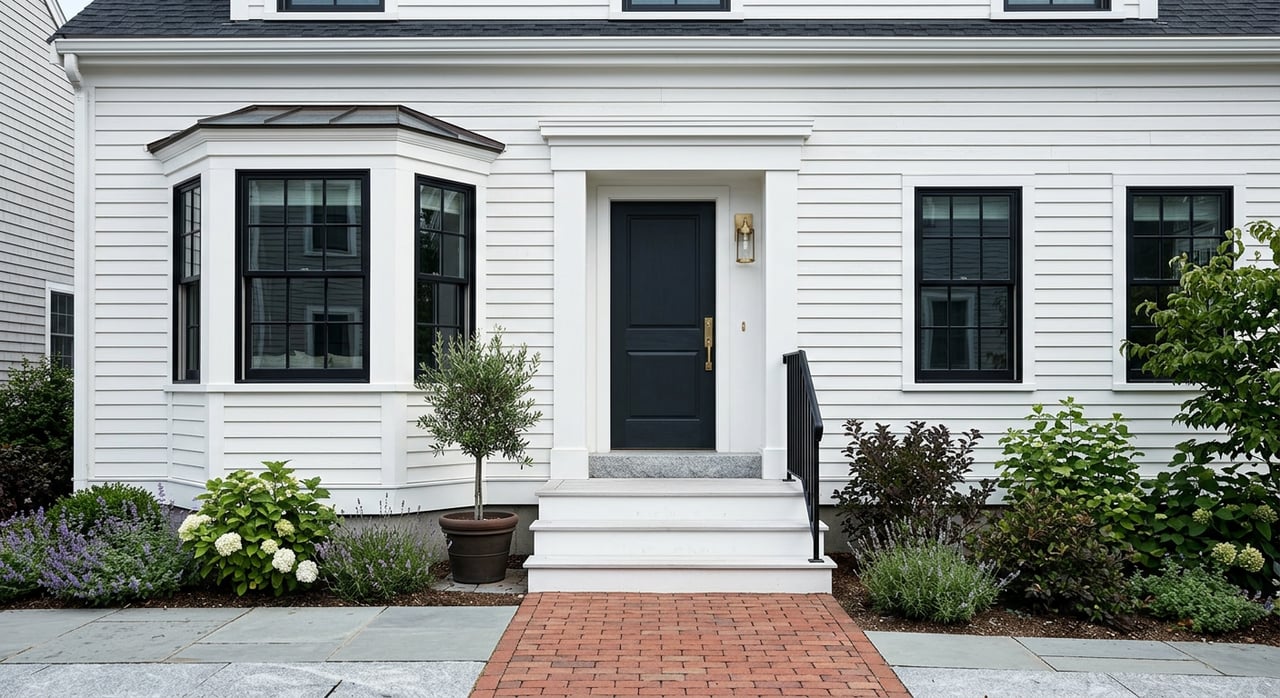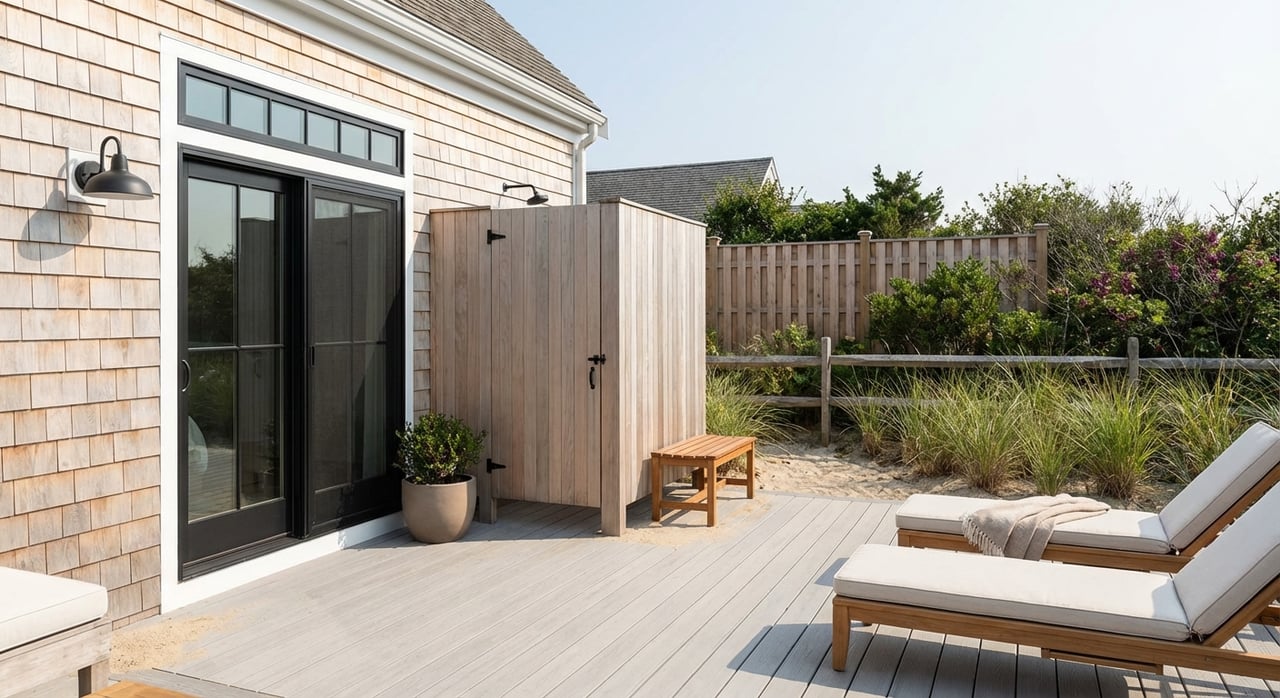
Salt in the air, coffee on the deck, and waves as your soundtrack — owning a beach home in Wells feels like a dream. You also want clear answers on what life is really like: seasons, upkeep, flood risk, rental rules, and day-to-day logistics. In this guide, you’ll learn what to expect before and after you buy, with practical steps to protect your time and your investment. Let’s dive in.
Why Wells works for beach-home owners
Easy access, classic Maine coast
Wells sits on Maine’s southern coast with a mix of year-round neighborhoods, seasonal cottage enclaves, and several public beaches, including Wells Beach and Drake’s Island. You get the charm of a working harbor on the Webhannet River with broad sandy stretches nearby. The town’s year-round population is about 10,000, with a strong summer surge that brings energy and activity to Route 1 and the waterfront. For travel, the Wells Transportation Center connects you to Amtrak’s Downeaster and regional routes, making weekend or commuter trips manageable. You can see regional access details through the local tourism hub’s guide to getting here.
Everyday conveniences along Route 1
Groceries, dining, and services cluster along Post Road (Route 1), so you can stock up, grab dinner, and handle errands without leaving town. The transportation center makes regional healthcare and airports easier to reach, and the local economy flexes with the seasons so you can choose lively or low-key by timing your visits.
Seasons in Wells: what to expect
Summer peak: busy and vibrant
From roughly Memorial Day weekend through Indigenous Peoples’ Day, Wells runs on a summer schedule. Beaches are staffed, paid parking is in effect, and resident or taxpayer sticker programs are enforced. Expect lively days on the sand and more traffic around town. If you plan to host family or rent, build in time for parking logistics and set clear arrival instructions. Check current details for beach parking passes and enforcement before the season starts.
Shoulder and off-season: quiet and rewarding
May to early June and September to October can be ideal if you want mild weather with fewer crowds while many businesses are still open. In late fall and winter, town life slows and some amenities scale back. If you love nature even in cooler months, the Wells Reserve at Laudholm offers trails and year-round programming that keep coastal life engaging beyond summer. Explore the Reserve’s education and trails programs for off-season activities.
Maintenance and risk on the coast
Salt, wind, and winterization
Coastal homes face more corrosion and wear from salt spray and storms. Plan for more frequent exterior painting or staining, periodic deck and railing replacement, and proactive care for metal fasteners and HVAC equipment. Building guidance for marine environments recommends corrosion-resistant connectors and regular inspections. For design and upkeep ideas specific to coastal exposure, review FEMA’s coastal construction guidance in the Home Builder’s Guide to Coastal Construction.
Insurance realities to price in
Many coastal policies include wind or hurricane deductibles that are a percentage of your home’s insured value. You may also want endorsements for water backup or ordinance-or-law coverage depending on your property. Premiums and deductibles vary by carrier and proximity to the water, so get quotes early from insurers experienced with coastal Maine. An overview of common coverages in Maine is available from a local agency’s insurance guide.
Flood risk and maps
Flood exposure is highly site-specific. Lenders use FEMA’s maps to determine if a home sits in a Special Flood Hazard Area, which can trigger flood insurance requirements and affect your premium. Always check a property’s status at FEMA’s Flood Map Service Center and ask for any available elevation certificate. Pricing can change under federal programs and private options, so compare early.
Rules that shape renovations
Maine’s shoreland zoning applies near tidal waters and can affect how you renovate, expand, or clear vegetation on your lot. Expect setbacks, limits on clearing, and standards for septic or surface disturbance in these zones. Permits and compliance can add time and cost, so involve your contractor and code enforcement early if you plan updates near the shoreline. Read Maine DEP’s overview of shoreland zoning standards to understand the basics.
Ownership styles and rental potential
Home types you will see
Wells offers classic oceanfront cottages, inland year-round homes, condominium-hotel units, and seasonal cottage communities. Many condo or resort-style complexes set their own rules on occupancy and rentals. Some developments include continuous-stay limits, often noted as a “28-day rule.” These are association or deed restrictions, not townwide rules, so always read the condo declaration and HOA documents before you buy.
Short-term rentals: state and local notes
If you plan to rent your home, Maine requires operators to register and to collect and remit lodging taxes. Industry guidance commonly references a 9 percent rate for vacation rentals; confirm the current rate and registration steps on the state’s resources or this Maine vacation-rental regulations overview. Locally, Wells has considered licensing, safety, and enforcement through its lodging committee and Select Board workshops. Because town policies can change, check current code enforcement and meeting minutes before making rental commitments.
Practical rental math
Summer demand is strong in Wells, but real returns depend on your specific property. HOA rules, parking limits, minimum-stay requirements, and enforcement can shape your booking calendar. If rental income matters, build a conservative pro forma and verify rules in writing before closing.
Daily life on and off the sand
Beach logistics and parking
If you own in Wells, look into resident or taxpayer stickers for beach parking. Metered areas and seasonal rules are actively enforced in peak months. Share parking instructions with guests and consider off-peak beach times for the easiest access. You can review current sticker eligibility and seasonal details on the town’s beach parking passes page.
Boating and harbor access
Wells Harbor is an asset if you enjoy boating or paddle sports. Moorings and dockage are managed locally, with seasonal programs handled through the harbormaster and town docks. Get familiar with mooring arrangements and seasonal processes via the town dock listing on Waterway Guide.
Getting around without the car
The Downeaster makes weekend trips or commuter runs flexible, and regional highways put you within reach of southern New Hampshire and Portland. For visitor arrivals or a quick escape, the getting here guide offers a snapshot of routes and options.
Costs and taxes to plan for
Wells publishes an annual real estate tax rate. Recent town materials list a rate of about 6.08 dollars per 1,000 dollars of assessed value for the 2024–2025 tax year. Always verify the current fiscal-year rate with the town before you budget. If you regularly use town beaches and facilities, add seasonal sticker costs to your annual plan.
Pre-purchase checklist for Wells beach homes
- Verify the FEMA flood zone for the exact address using the FEMA Flood Map Service Center.
- If near tidal water, ask for an elevation certificate. It can materially affect flood premiums.
- Confirm whether the home is on public sewer or a private septic system, and check water service through the Kennebunk, Kennebunkport & Wells Water District.
- Read condo or HOA documents for any occupancy limits, rental rules, parking quotas, or pet policies.
- Review beach parking rules and sticker eligibility on the town’s parking and passes page.
- Get early quotes for homeowners, wind, and flood insurance. Review wind or hurricane deductibles and any needed endorsements; see this Maine coverage overview for common considerations.
- If rental income matters, confirm state registration and lodging tax obligations using this Maine vacation-rental regulation summary, and check current Wells code enforcement or Select Board materials for any local licensing or inspections.
- If you plan to renovate near the shore, review Maine’s shoreland zoning standards and talk with the town about permits.
- For salt exposure, budget for periodic repainting, deck and railing updates, and corrosion-resistant materials. See FEMA’s coastal construction guidance for best practices.
Buying or owning on the Wells coast should feel as good as it looks. With clear expectations about seasons, maintenance, flood and insurance planning, and rental rules, you can enjoy the lifestyle and protect your investment. If you want a local partner who understands coastal nuances and second-home strategy in southern Maine, connect with Adam Parent for expert guidance.
FAQs
When is the busiest time on Wells beaches?
- Peak season runs from about Memorial Day weekend through Indigenous Peoples’ Day, when paid parking, lifeguards, and summer schedules are in effect.
Do you need flood insurance for a Wells beach home?
- It depends on your exact location. If the home is in a FEMA Special Flood Hazard Area, your lender will likely require it. Always check your address on FEMA’s map and get quotes early.
Can you offer short-term rentals in Wells?
- Many owners do, but you must register and collect state lodging taxes. Local rules can change, and some HOAs set their own limits, so confirm regulations before you list.
What coastal maintenance should you expect?
- Plan for more frequent exterior painting, periodic deck and railing work, and proactive HVAC and metal fastener care due to salt and wind exposure.
How do beach parking passes work for owners?
- The town issues seasonal programs for residents and taxpayers, and meters operate in peak months. Rules and enforcement are strict, so review the latest details before summer.