Dreaming about a place by the Maine coast that you can return to season after season? Owning a second home in Kennebunkport can be a rewarding lifestyle move, but it also comes with very real planning around costs, maintenance, and how you want to use the property. If you are considering a getaway home here, this guide will help you think through the big decisions before you buy. Let’s dive in.
Kennebunkport as a second-home market
Kennebunkport is not a typical vacation market. It functions as a true seasonal coastal town, with 3,629 year-round residents and an estimated seasonal population of more than 12,000, according to the town’s 2022 comprehensive plan.
That seasonal swing shapes the way many buyers approach ownership. In a market like this, your decision often goes beyond price and square footage. You are also weighing access, upkeep, seasonal use, and how the home fits your lifestyle throughout the year.
The same town plan reported 2,970 dwellings, with 87% owner-occupied housing and 248 dwellings used as short-term rentals. That tells you part-time ownership is already part of the local housing landscape, which can make Kennebunkport feel like a natural fit if you want a home base on the southern Maine coast.
The market also sits at a higher price point. The town’s comprehensive plan cited a median home price of $969,000, which means second-home buyers here are typically entering a high-value coastal market rather than shopping for a lower-cost beach escape.
Why buyers choose Kennebunkport
A second home in Kennebunkport is often about how you want to spend your time. Many buyers are drawn to the area for its beaches, boating, historic districts, coastal scenery, and seasonal traditions.
The town’s calendar helps define the ownership experience. The comprehensive plan identifies the Kennebunkport Festival in June and Christmas Prelude as signature events, and local visitor materials highlight summer activity, fall foliage, and holiday appeal.
That rhythm matters when you picture how you will use the property. For many owners, a second home here serves as a summer base, a shoulder-season retreat, or a holiday gathering place, not just an asset to hold.
What homes look like here
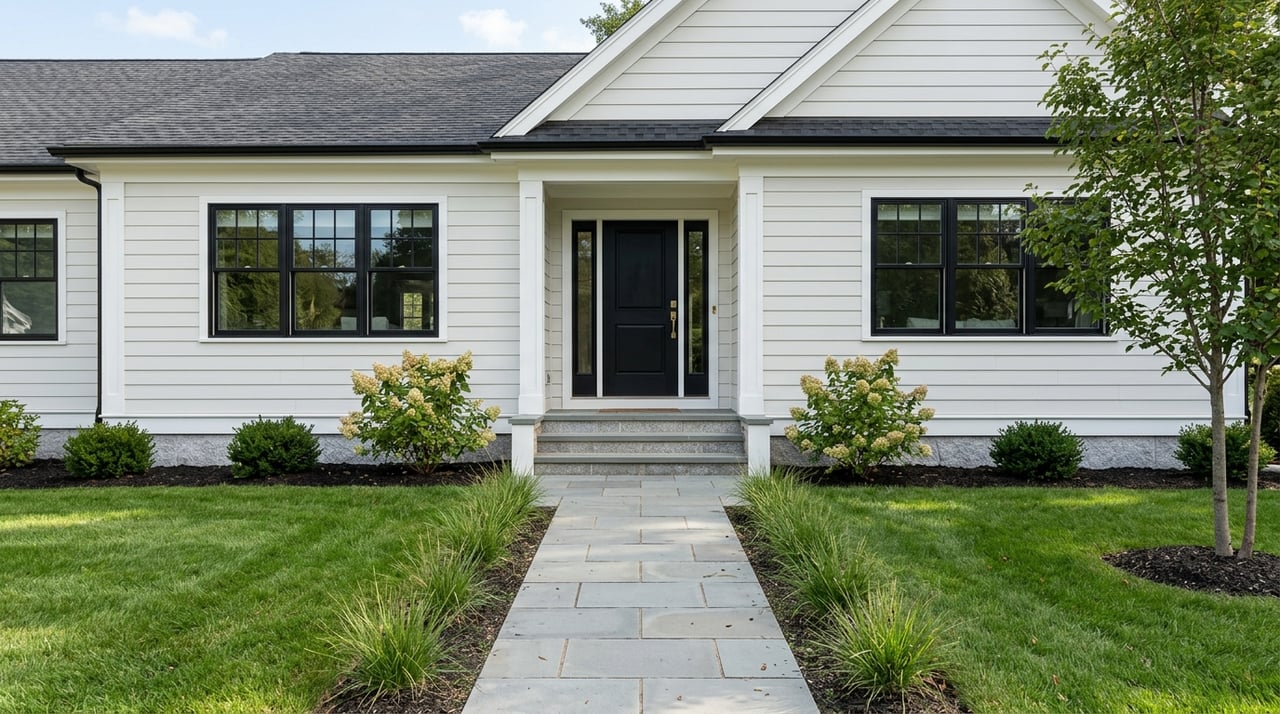
If you are picturing standalone coastal homes, that lines up with the local housing stock. Based on 2020 ACS data in the town’s housing chapter, 92% of housing units in Kennebunkport are 1-unit detached homes.
That means your search is more likely to focus on single-family properties than a condo-heavy inventory mix. The same housing data also notes a median of 6.4 rooms, with many homes falling into 1-bedroom, 4-bedroom, and 5-bedroom layouts.
For second-home buyers, that can create a wide range of use cases. You may find homes sized for quiet personal getaways, or larger properties that can comfortably host family and guests during peak coastal seasons.
Historic character and older systems
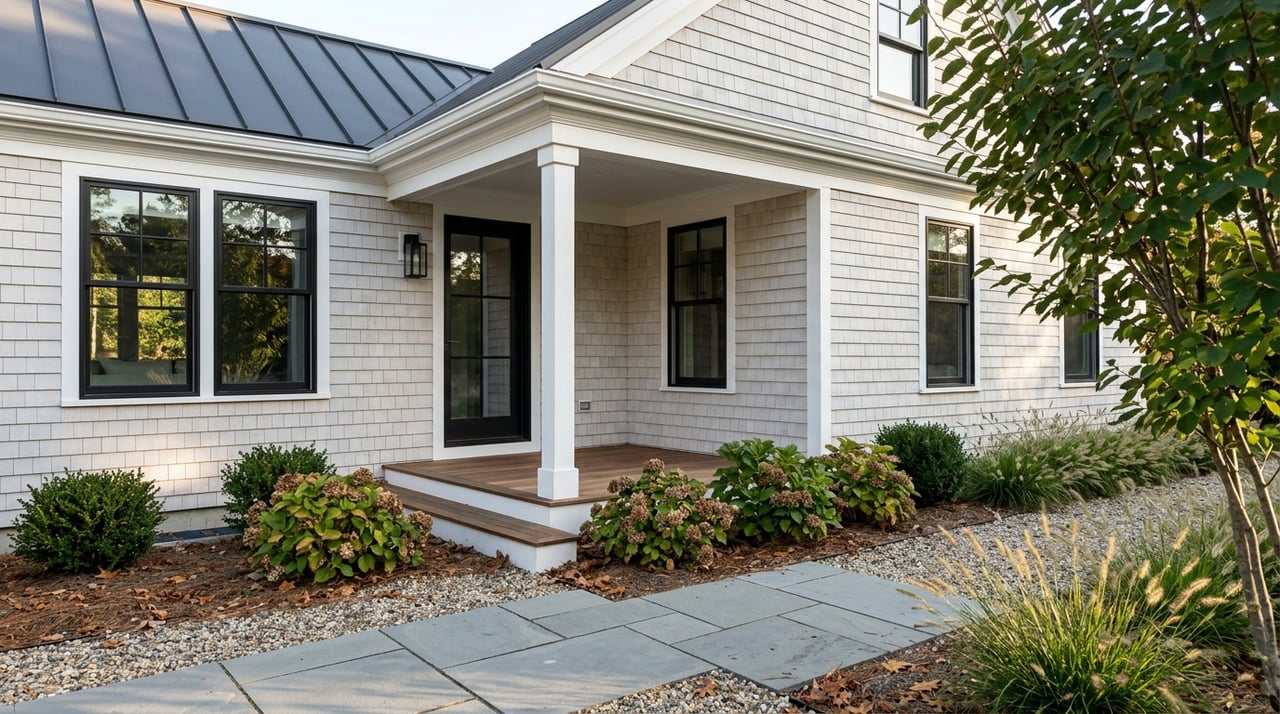
Part of Kennebunkport’s appeal is its architectural character. The town reports that 60% of buildings were built before 1980, and local historic districts include a large number of older structures with clapboard or wood shingle exteriors.
The Cape Arundel historic district includes 152 buildings, with more than 40% identified as Shingle Style in the town plan. The Kennebunkport Historic District includes more than 175 historic structures, according to the Maine Historic Preservation Commission.
That character can be a major draw, but it often comes with added responsibility. Older homes may require closer review of systems, exterior condition, weather exposure, and year-round durability, especially if the property will sit vacant between visits.
Seasonal weather affects ownership
Before you buy a second home here, it helps to understand the climate in practical terms. NOAA data for Kennebunkport shows an average January high of 32.7°F and low of 13.1°F, while average July temperatures are 76.9°F and 57.8°F.
The area also sees meaningful precipitation and snow. NOAA reports 52.0 inches of annual precipitation and 48.9 inches of annual snowfall.
For you as an owner, that means off-season care matters. A beautiful summer retreat can become a higher-maintenance property in winter if you are not prepared for heating needs, snow, storms, and periods when the house may be unoccupied.
Key carrying costs to plan for
Purchase price is only one part of the equation. In Kennebunkport, you should also budget for taxes, insurance, utilities, and ongoing coastal maintenance.
The town’s FY2025 audited financial statements report a property tax rate of $6.50 per $1,000 of assessed value. On a property assessed at $1 million, that works out to about $6,500 per year before any special assessments or other charges.
You should also know that Maine’s homestead exemption applies only to a primary residence. According to Maine Revenue Services, vacation homes, camps, and other second residences do not qualify.
Heating costs can also be part of the planning process. The town says 57% of dwellings are heated by fuel oil, which is worth noting if you are comparing operating costs or evaluating how easy a home will be to manage in colder months.
Flood exposure and utility details matter
In a coastal market, parcel-specific due diligence is essential. Kennebunkport’s comprehensive plan identifies 2,040 acres within the 100-year floodplain and 349 parcels in FEMA Zone VE.
The same plan reports an average of 3.4 flood insurance claims per year since 1975. That does not mean every second-home buyer will face the same level of exposure, but it does mean flood risk should be part of your evaluation from the start.
Utility setup matters too. The town reports that only about half of buildings are connected to the sewer system, so some properties may rely on septic systems.
When you are comparing homes, it is smart to look closely at flood exposure, sewer or septic setup, heat source, and how comfortable the home will be to leave unattended. In Kennebunkport, those details can be just as important as the view.
Renting your second home
Some buyers want a property for personal use only. Others want the option to rent it for part of the year. If you are considering that route, local rules are an important part of the decision.
Kennebunkport’s short-term rental ordinance requires a town license. Licenses are annual, tied to the calendar year, and they are not transferable to a new owner or a different dwelling unit.
The ordinance also sets occupancy and safety requirements. Occupancy is capped at two tenants per bedroom plus two additional tenants total, and the property must have designated parking, smoke alarms, carbon monoxide alarms, fire extinguishers, and a posted license number.
Goose Rocks Beach is treated as a special licensing area under the ordinance. If you are focused on that part of town, you will want to factor those local rules into your purchase strategy early.
At the state level, Maine Revenue Services says the rental of living quarters, including cottages and vacation homes, is subject to a 9% tax. The state also says that if you make only casual rentals, you must register once the property is rented for 15 days or more in a calendar year.
Questions to ask before you buy
The best second-home purchases usually start with clear priorities. Before you move forward, it helps to answer a few practical questions about how you will use the property.
Ask yourself:
- Will you use the home only for personal enjoyment, or do you want the option to rent it?
- Are you comfortable with the maintenance demands of coastal and winter ownership?
- Does the property have flood exposure or storm-related considerations?
- Is the home connected to sewer, or does it rely on septic?
- How easy will it be to manage heating, security, and upkeep when you are away?
- Are you drawn to historic character, and are you prepared for the maintenance that may come with it?
When your answers are clear, your search becomes much more focused. You can quickly sort the difference between a home that looks good in summer and one that truly fits your long-term goals.
What smart second-home buying looks like
In Kennebunkport, a smart purchase usually means balancing lifestyle with realism. You are buying into a seasonal coastal market with strong character, high property values, and a very specific ownership rhythm.
For many buyers, that is exactly the appeal. You get access to a place known for beaches, boating, historic charm, and memorable summer and holiday traditions.
The key is to go in with a full picture of ownership. When you understand taxes, weather, flood exposure, utility setup, and rental rules before you buy, you are in a much better position to choose the right property and enjoy it with confidence.
If you are exploring second-home opportunities in Kennebunkport and want local guidance grounded in the realities of the southern Maine coast, connect with Adam Parent for expert insight and a thoughtful, data-driven approach.
FAQs
What makes Kennebunkport different from other second-home markets?
- Kennebunkport stands out as a seasonal coastal market with a small year-round population, a much larger summer population, high home values, and a housing mix dominated by detached single-family homes.
What types of homes are common for second-home buyers in Kennebunkport?
- Most housing units in Kennebunkport are 1-unit detached homes, so second-home buyers will usually be looking at standalone houses rather than a large supply of condos.
What should you budget for when owning a second home in Kennebunkport?
- In addition to the purchase price, you should plan for property taxes, insurance, heating, weather-related maintenance, and possible flood-related costs depending on the parcel.
What is the Kennebunkport property tax rate for a second home?
- The town’s FY2025 audited financial statements report a property tax rate of $6.50 per $1,000 of assessed value.
Can a second home in Kennebunkport qualify for Maine’s homestead exemption?
- No. Maine Revenue Services says the homestead exemption applies only to a primary residence, not to vacation homes or second residences.
What should buyers know about flood risk in Kennebunkport?
- Buyers should know that the town has land within the 100-year floodplain and parcels in FEMA Zone VE, so parcel-specific flood exposure is an important part of due diligence.
Can you use a Kennebunkport second home as a short-term rental?
- Yes, but short-term rentals are regulated by local ordinance and require a town license, along with compliance with occupancy, parking, and safety requirements.
What is the Maine tax on renting a second home in Kennebunkport?
- Maine Revenue Services says the rental of living quarters, including vacation homes and cottages, is subject to a 9% tax.