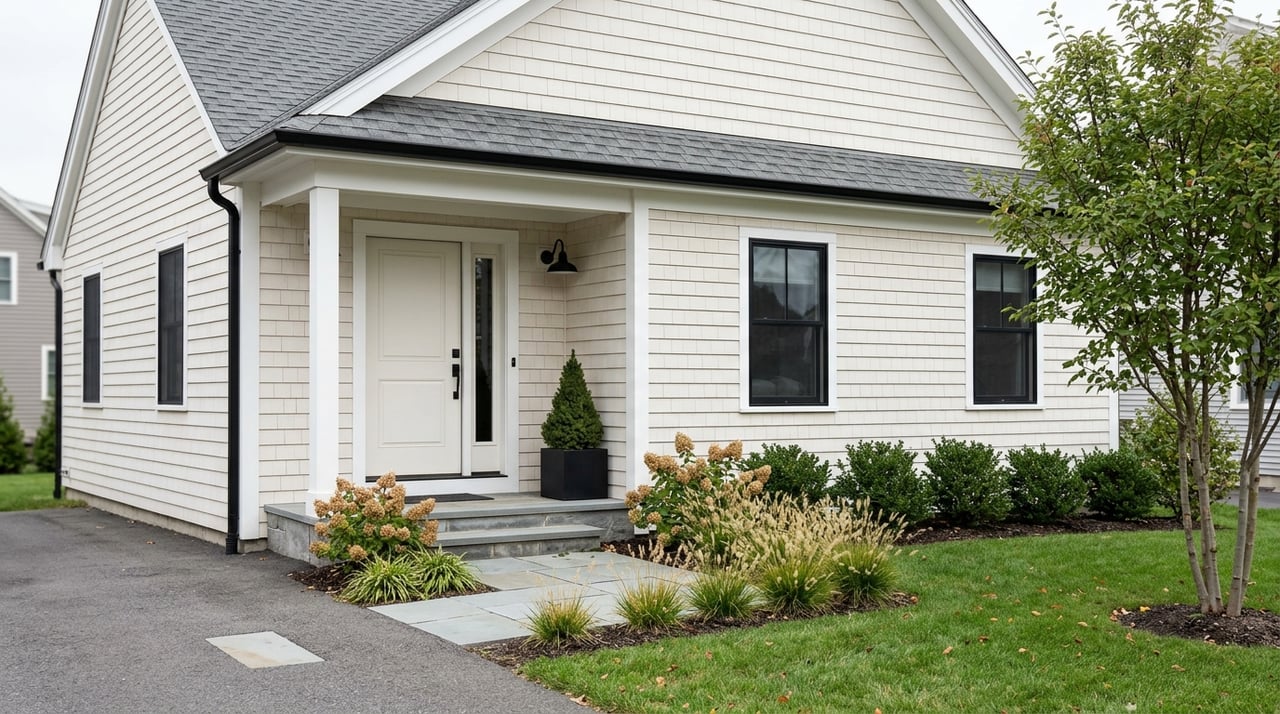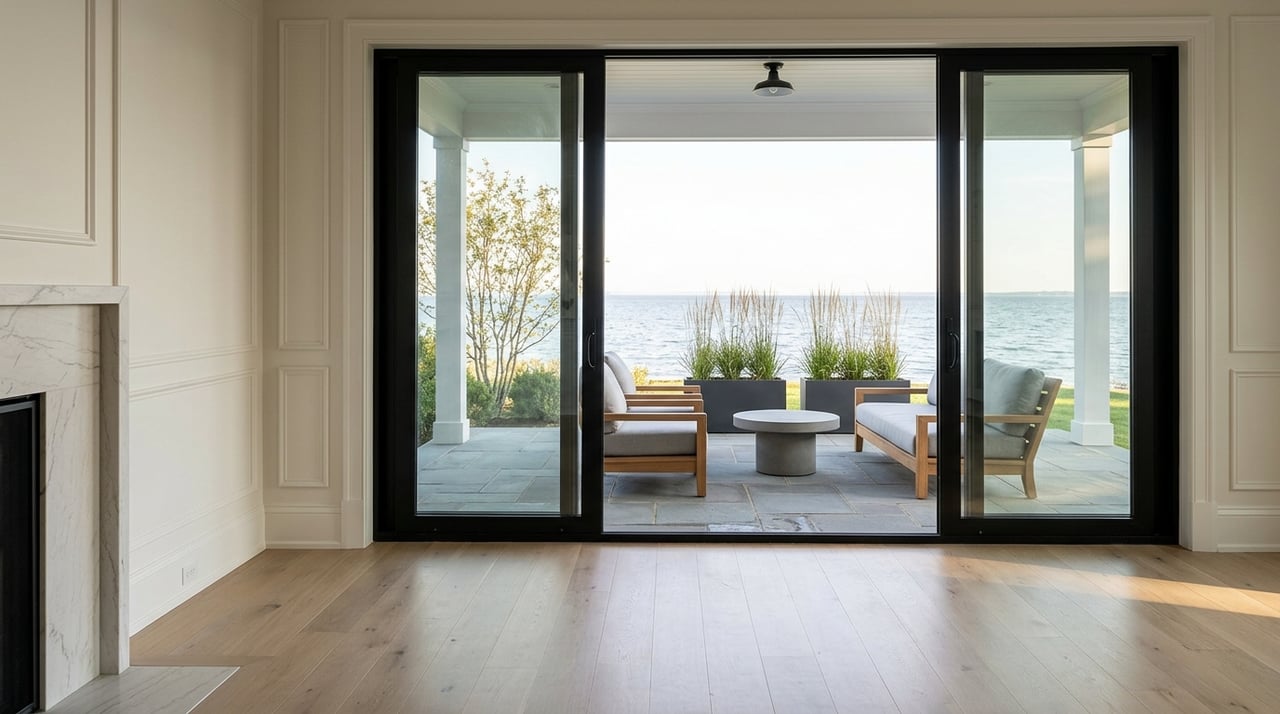
Selling a waterfront home in Falmouth is not the same as listing a typical property. Buyers are looking at the house, of course, but they are also sizing up the shoreline, the view, water access, flood exposure, and how well the property has been cared for over time. If you want a smooth launch and a stronger sale, the key is to prepare for both emotion and due diligence before your home goes live. Let’s dive in.
Why Falmouth Waterfront Prep Matters
In Falmouth, coastal property comes with a specific set of questions that buyers tend to ask early. The town’s planning documents note that coastal properties may be affected by shoreland zoning rules, sea level rise, and storm-related risks. That means buyers are not just buying a lifestyle. They are also evaluating long-term resilience and property constraints.
That is why preparation matters so much. The more clearly you can present your home’s condition, features, and documentation, the easier it becomes for buyers to feel confident making a strong offer. For a waterfront sale, reducing uncertainty often helps protect value.
Start With Documents First
One of the biggest mistakes sellers make is treating paperwork like an end-of-process task. For a Falmouth waterfront home, disclosures and property records should come first. This gives you time to identify gaps, confirm facts, and avoid surprises after photos are done or the listing is already live.
Maine’s residential disclosure rules require sellers to provide information on items such as water supply, heating, waste disposal, hazardous materials, known defects, access, flood hazard, and shoreland-zoning enforcement actions. If your property uses a private road, you also need to disclose maintenance responsibility and any road association.
For waterfront owners, flood questions are especially important. The disclosure asks whether the home is in a mapped Special Flood Hazard Area, which flood zone applies, and whether there have been flood events, flood damage, insurance claims, or disaster aid during your ownership. Buyers will often want those answers early, so it helps to verify them before marketing begins.
Gather These Records Early
Before you schedule staging or media, pull together the records buyers are most likely to ask for:
- Seller disclosure information
- Flood-zone details and insurance history
- Well records, if applicable
- Septic records, pumping logs, and service history, if applicable
- Permit history for major work
- Shoreland-related approvals or notices, if any
- Private road maintenance information, if applicable
This early document review can shape the rest of your prep plan. It may also help you decide which repairs or updates are worth doing before launch.
Understand Shoreland Zoning Before Repairs
If your property is within 250 feet of saltwater, certain ponds, rivers, or wetlands, Falmouth shoreland zoning may apply. The town notes that work such as tree removal, filling, road work, grading, or other soil disturbance may require permits and, in some cases, Planning Board approval. Shoreland rules also apply in addition to underlying zoning requirements.
That matters because even simple pre-list improvements can create problems if they are done without checking first. Sellers sometimes assume clearing vegetation for a better view or reshaping an outdoor area is a harmless cleanup project. In a shoreland setting, that assumption can backfire.
Repairs to Check Before Starting
If you are thinking about any exterior or site work, confirm requirements with the town before work begins, especially if the project involves:
- Vegetation removal
- Fill or grading
- Drainage changes
- Road or driveway work
- Soil disturbance near the shoreline
- Exterior systems that may trigger building, plumbing, wastewater, or electrical review
A cleaner process usually looks like this: confirm records and disclosures first, check permit needs second, complete approved repairs third, then move into staging and media. That order can help you avoid redoing photos, revising disclosures, or answering difficult questions once buyers are already engaged.
Verify Flood-Zone Status Early
Flood exposure is one of the first things many waterfront buyers want to understand. Falmouth’s floodplain ordinance uses FEMA flood study and map data for Zones A, AE, and VE. Maine Emergency Management Agency also advises owners to first confirm whether a property is in a flood-prone area.
For sellers, this means flood-zone status should be verified early in the listing process. If your home is in a Special Flood Hazard Area, buyers may also want to know about insurance requirements and any prior flood-related history. FEMA notes that most homeowners insurance does not cover flood damage, so clarity here is important.
You do not need to oversell or overexplain. You simply need accurate information, presented early, so buyers can assess the property with confidence.
Prep the Home Around the View
A waterfront home has one feature that should guide almost every prep decision: the view. In Falmouth, where scenic shoreline use and water access are central parts of the waterfront experience, your home should be staged and photographed to help buyers immediately understand what makes the property special.
That does not mean overdecorating or making the home feel too polished. It means removing distractions so the eye naturally moves toward the water, the light, and the outdoor living areas. Clean presentation is often more effective than complicated styling.
Focus on the Most Important Spaces
Industry research found that staging can help buyers visualize a home and may reduce time on market. The rooms most commonly staged are the living room, primary bedroom, and kitchen, which makes sense for waterfront homes where those spaces often connect most directly to the setting.
As you prepare, focus on:
- Decluttering surfaces and storage areas
- Deep cleaning floors, windows, and glass doors
- Opening blinds and minimizing heavy window treatments
- Editing furniture so rooms feel open
- Arranging seating to highlight the water view
- Refreshing decks, patios, and shoreline-facing spaces
If your property includes features like a dock, shoreline seating area, or easy water access, make sure those areas are clean, safe-looking, and ready to be photographed. Buyers want to picture how the property lives, not just how it looks from the street.
Use Honest, High-Impact Photography
Most buyers start online, and listing photos have an outsized role in shaping interest. Research from NAR says 52% of buyers found the home they purchased online, and 81% rated listing photos as the most useful feature. For a Falmouth waterfront home, strong visuals are not a bonus. They are central to your marketing strategy.
The lead image matters most because it sets expectations for the full listing. In many waterfront cases, the best first image is the exterior or the strongest water-view shot. From there, the photo sequence should quickly reinforce the lifestyle with key spaces like the deck, shoreline, view-facing living areas, kitchen, and primary suite.
What Buyers Need to See
Your media should answer practical and emotional questions at the same time. Buyers are often looking for proof of the experience they hope the home delivers.
That usually includes:
- The true relationship between the home and the water
- The quality of the main view corridors
- Usable outdoor living areas
- Shoreline features or boating-related amenities, if present
- Bright, clean interior spaces tied to the setting
It is also important not to overedit images. NAR has warned that photos that disguise actual condition, scale, or views can leave buyers feeling misled. For a premium listing, polished and accurate will almost always outperform dramatic but unrealistic.
Handle Older-Home Details Carefully
If your waterfront home was built before 1978, lead-based paint disclosure rules apply for known hazards. The Maine Attorney General’s consumer guidance also states that sellers must make lead and radon disclosures. If your prep plan includes exterior scraping, repainting, or repairs to older painted surfaces, those items should be handled carefully.
This is especially important on waterfront properties where exterior maintenance often matters to curb appeal and buyer confidence. A freshened exterior can help, but the work should be done in a way that aligns with required disclosure and safe repair practices.
Time the Launch for Strong Presentation
Timing matters, but only after the home is truly ready. Realtor.com’s 2026 Best Time to Sell report identified April 12 through April 18 as the strongest national listing window, with historically higher views and faster sales than the average week. It also found that many sellers need a month or less to get ready, which shows how important it is to start prep early.
For a Falmouth waterfront home, spring and early summer often give you practical advantages. Landscaping looks better, daylight lasts longer, and outdoor spaces are easier to photograph. Water views also tend to read more clearly in listing media when the property is fully cleaned up and the exterior is in season.
That said, timing alone will not create premium results. The best launch is the one where your disclosures are complete, your repairs are handled, and your presentation is consistent across in-person showings and online marketing.
A Simple Prep Sequence That Works
If you want to keep the process organized, follow a clear order of operations. This helps you make decisions once, avoid duplicate work, and launch with confidence.
Recommended Falmouth Waterfront Prep Order
- Gather disclosure documents and property records
- Verify flood-zone status and insurance history
- Review private water, septic, access, and permit information
- Check shoreland-zoning and permit requirements before repairs
- Complete approved repairs and maintenance
- Declutter, clean, and stage around the view
- Capture professional photography and video
- Launch when the property is fully market-ready
This sequence supports what matters most in waterfront sales: reducing buyer uncertainty while showcasing the property’s lifestyle appeal.
The Goal: Confidence and Clarity
When buyers tour a waterfront home in Falmouth, they are looking for more than beauty. They want a property that feels well prepared, honestly presented, and easy to understand. That means your best prep work is not just cosmetic. It is strategic.
When you combine strong disclosure prep, careful repair planning, view-focused staging, and polished visual marketing, your listing has a better chance to stand out for the right reasons. You are not just putting a home on the market. You are giving buyers a clear, confident reason to move forward.
If you are getting ready to sell a waterfront property in southern Maine, Adam Parent can help you plan the prep, presentation, and launch with a polished, high-touch approach built for standout coastal listings.
FAQs
What should you do first when preparing a Falmouth waterfront home for sale?
- Start by gathering disclosures, flood information, permit records, and any private water, septic, or access documents before repairs, staging, or photography.
What does shoreland zoning mean for a Falmouth waterfront seller?
- In Falmouth, shoreland zoning may apply to land within 250 feet of saltwater and other protected areas, and some work such as vegetation removal, grading, filling, or road work may require permits or further review.
What flood information do buyers need for a Falmouth waterfront home?
- Buyers often want to know whether the property is in a mapped Special Flood Hazard Area, which flood zone applies, and whether there is any history of flooding, flood damage, insurance claims, or disaster aid.
What rooms matter most when staging a waterfront home in Falmouth?
- The living room, kitchen, and primary bedroom are key spaces to prioritize, especially when they connect to water views, natural light, or outdoor living areas.
Why are listing photos so important for a Falmouth waterfront property?
- Many buyers begin their search online, and strong, accurate photos help them understand the view, shoreline features, outdoor spaces, and overall condition before they schedule a showing.
When is the best time to list a waterfront home in Falmouth?
- Spring and early summer are often strong times to showcase a waterfront property because landscaping, daylight, and outdoor spaces tend to present well, but the home should be fully prepared before launch.