Thinking about listing your Falmouth home this spring? With the right prep, you can turn Maine’s late thaw into an advantage and capture buyer attention when lawns green up and gardens bloom. You want a clear, low-stress plan that boosts curb appeal, handles coastal considerations, and sets you up for strong offers. This guide gives you a step-by-step timeline tailored to Falmouth, plus practical checklists for photos, staging, systems, and disclosures. Let’s dive in.
Why spring works in Falmouth
Falmouth’s coastal setting and proximity to Portland draw a wide range of buyers who value village access, water views or access, and easy commutes. Spring is the top season to sell, but in Maine the sweet spot often arrives in late spring as snowmelt fades and landscaping recovers. Listing when your yard, trees, and beds look fresh can lift your photos and your final price. Plan exterior photography for clear, green days to avoid muddy driveways or patches of snow.
Your 8–12 week game plan
A focused, early start reduces stress and maximizes results. Use this simple timeline and adjust to your home’s condition.
8–12 weeks before listing
- Schedule key services: HVAC tune-up, chimney sweep if used in winter, and roof, septic, and well inspections if applicable.
- Line up vendors for paint touchups, exterior power-washing, deck sealing, and minor carpentry.
- Start decluttering. Box up seasonal gear and personal photos. Plan offsite storage if needed.
- Review any prior permits and gather documentation for completed work.
4–6 weeks before listing
- Complete exterior repairs, paint touchups, and power-washing on siding, trim, and walkways.
- Refresh landscaping with bed cleanups, mulch, and pruning. Address drainage away from the foundation.
- Deep clean interiors: windows, baseboards, carpets, and bathrooms. Tackle any mildew from winter.
- Choose neutral paint for high-traffic rooms and patch/caulk visible gaps.
- Book your photographer for a window when lawns are thawed and shrubs are budding.
1–2 weeks before listing
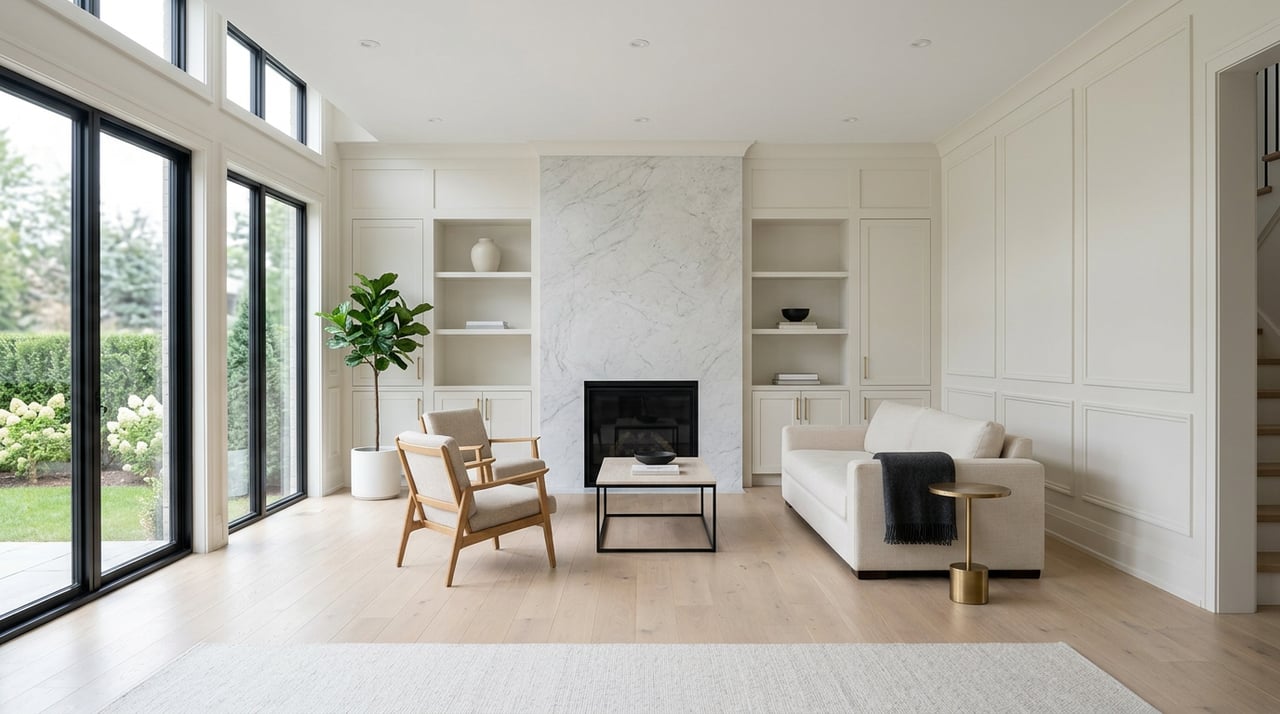
- Stage spaces with lighter textiles and fewer, well-placed furnishings.
- Optimize lighting: daylight-balanced bulbs, working fixtures, and open window treatments.
- Create a property binder with utility bills, tax info, service records, and any inspection reports.
- Finalize any septic or well testing results, if relevant.
Listing week
- Complete professional photos, video, floor plans, and any aerial images that showcase location and views.
- Confirm your pricing strategy using fresh local comps and your home’s condition.
- Schedule showings and open house times to maximize daylight and avoid forecasted storms.
Curb appeal that sells
First impressions start at the street. Small fixes here can deliver big returns.
- Roof and gutters: Clear debris, check for ice-dam damage, and confirm downspouts drain away from the foundation.
- Siding and trim: Power-wash salt and mildew. Repair rotted wood or corroded metal trim common in coastal settings.
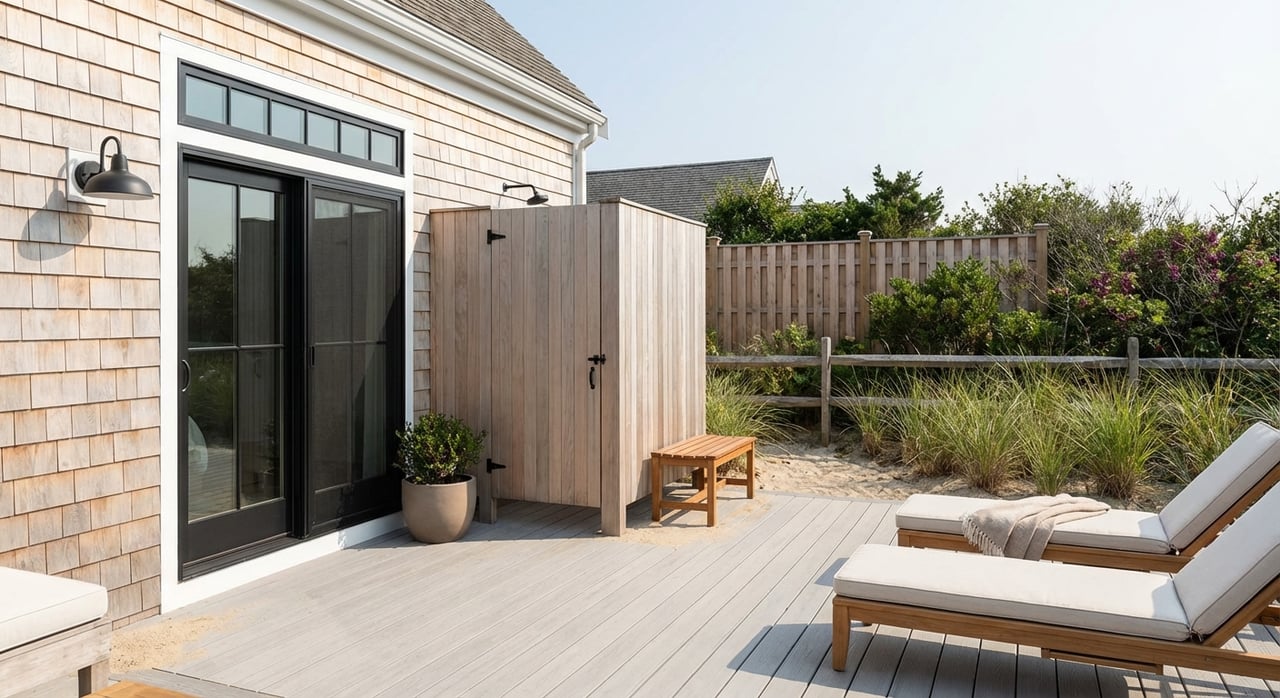
- Decks and railings: Replace loose boards, sand and reseal as needed. Ensure safe access to any dock or water path.
- Landscaping: Clean beds, prune winter damage, and add fresh mulch. Choose salt-tolerant or regionally native plants.
- Driveway and walkways: Repair trip hazards, pressure wash stains, and replace damaged pavers.
- Front entry: Fresh paint on the door, clean or replace fixtures, and add simple planters for a welcoming look.
- Early spring plan: Keep a shovel and melt product handy to maintain safe, clear paths for showings.
Inside: clean, repair, and stage
A bright, neutral, and uncluttered interior helps buyers focus on space and function.
- Declutter and depersonalize: Remove extra furniture and personal photos to open up rooms.
- Deep clean: Windows, rugs, and hard-to-reach corners show up in photos and in person.
- Paint and touchups: Neutral walls, fresh caulk, and repaired trim lift perceived value at low cost.
- Flooring: Repair or replace damaged areas and have carpets professionally cleaned.
- Lighting and comfort: Maximize natural light, use daylight bulbs, and set a comfortable thermostat for showings.
- Seasonal swap: Store heavy winter rugs and bedding. Add light throws, crisp linens, and a few green plants.
Systems and safety buyers will test
Reliable systems reduce negotiation friction and support stronger offers.
- HVAC: Service furnace or heat pump and replace filters.
- Plumbing: Check for freeze damage, test the water heater, and verify sump pumps operate correctly.
- Chimney and fireplace: If used, provide an inspection and cleaning report.
- Electrical: Label panels, replace damaged outlets, and address exposed wiring.
- Well and septic: For non-municipal systems, consider water testing and a septic inspection, since buyers often request them.
Coastal-specific checks
Coastal conditions deserve special attention to protect value and reassure buyers.
- Salt corrosion: Inspect metal railings, flashing, and gutters for corrosion. Treat or replace as needed.
- Flood and storms: Note any past water intrusion and repairs. Confirm grading and drainage move water away from the home.
- Shoreland work: If you have erosion controls, docks, or shoreline improvements, document permits and maintenance.
Photos and media that win clicks
Great media turns online interest into in-person showings.
- Timing: Aim for exteriors when the lawn has thawed and trees are budding. Avoid snowy or muddy shots when possible.
- Light: Mid-morning or mid-afternoon provides balanced light. Twilight images can work well if you have attractive exterior lighting or views.
- Coastal visuals: Capture typical tide levels and vantage points that show proximity to water or Portland. Use aerials where permitted and appropriate.
- Added assets: Floor plans, video tours, virtual walkthroughs, and neighborhood maps increase engagement, especially for out-of-area buyers.
Pricing and positioning in spring
In a competitive spring market, pricing aligned with fresh Falmouth comps and your home’s condition is key. Consider pre-listing inspections or repairs if your goal is to reduce back-and-forth after the offer. Well-staged, well-priced homes often see shorter days on market and more favorable terms.
What to gather for buyers
Having documents ready builds trust and speeds decisions.
- Recent utility bills and property tax info
- Receipts and warranties for major repairs or updates
- Service records for HVAC, roof, septic, well, and chimney
- Any inspection reports you’ve completed
- Surveys or plot plans, HOA or neighborhood rules if applicable
- Flood insurance history and current flood map status, if relevant
- Well water test results and septic inspection reports for non-municipal systems
Permits, disclosures, and local rules
Before you list, verify that past projects were permitted where required. Check with local code enforcement on decks, docks, septic work, additions, and anything near shoreland. Follow current Maine property disclosure requirements and provide reports for items you’ve inspected or repaired. If your property is near the coast or waterways, confirm flood zone status and gather any elevation or mitigation documentation.
High-impact, smart-spend upgrades
Put your dollars where buyers notice first.
- High impact, moderate or low cost: Fresh neutral paint, deep cleaning, decluttering, front door refresh, mulch and planters, lighting improvements, HVAC servicing.
- Moderate impact, moderate cost: Minor kitchen or bath cosmetics, new flooring in key rooms, deck staining, targeted professional staging.
- Lower immediate ROI, higher cost: Full kitchen remodels and large additions. In many cases, price to market rather than over-improving right before listing.
Open houses and showings that feel easy
Plan showings for clear weather and good daylight. Keep the entry tidy with a mat for spring mud, and set a neutral scent. Provide a simple binder that highlights systems, neighborhood context, and key documents. If you have outdoor living spaces, stage seating to help buyers picture warm-weather use.
Common pitfalls to avoid
- Listing too early with soggy lawns or snow patches that hurt curb appeal.
- Skipping small repairs buyers notice, like loose railings or peeling trim.
- Posting exterior photos that show winter wear rather than spring freshness.
- Waiting to gather documents until after offers arrive, which can delay decisions.
Your next step
A clear plan, polished presentation, and smart timing make spring a strong window for selling in Falmouth. If you want hands-on help with staging, vendor management, photography, floor plans, and cinematic listing media, the LUX Group’s team-based approach is built for it. For a tailored prep plan and pricing strategy, connect with Adam Parent.
FAQs
When is the best time to list a home in Falmouth, Maine?
- Late spring often performs best, when lawns have thawed and landscaping has recovered for stronger photos and showings.
What prep delivers the biggest return before a spring sale in Falmouth?
- Fresh neutral paint, deep cleaning, decluttering, curb appeal upgrades, lighting improvements, and HVAC servicing typically offer high impact at moderate cost.
How should I time listing photos for a coastal Falmouth property?
- Aim for clear days with green grass and budding trees, mid-morning or mid-afternoon light, and coastal images that show typical tide levels.
Do I need to test well water and inspect my septic before listing in Falmouth?
- For homes with private systems, many buyers request well water tests and septic inspections, so completing them in advance can reduce negotiation friction.
What documents should I prepare for buyers when selling in Falmouth, Maine?
- Utility bills, tax info, service records, inspection reports, permits, surveys, HOA rules if any, and flood, well, and septic documentation where applicable.