Thinking about a place on the water in Wells but not sure if an oceanfront condo or a beach cottage fits you best? It is a big decision with real trade-offs in cost, control, maintenance and long-term risk along the Maine coast. You want a property that works for your lifestyle today and holds up well over time.
This guide breaks down the key differences so you can compare with confidence. You will learn how ownership works, what to expect for insurance and HOA dues, how flood risk and coastal rules can affect your plans, and how rentals and resale differ in Wells. Let’s dive in.
Ownership basics in Wells
Condos and cottages give you very different rights and responsibilities.
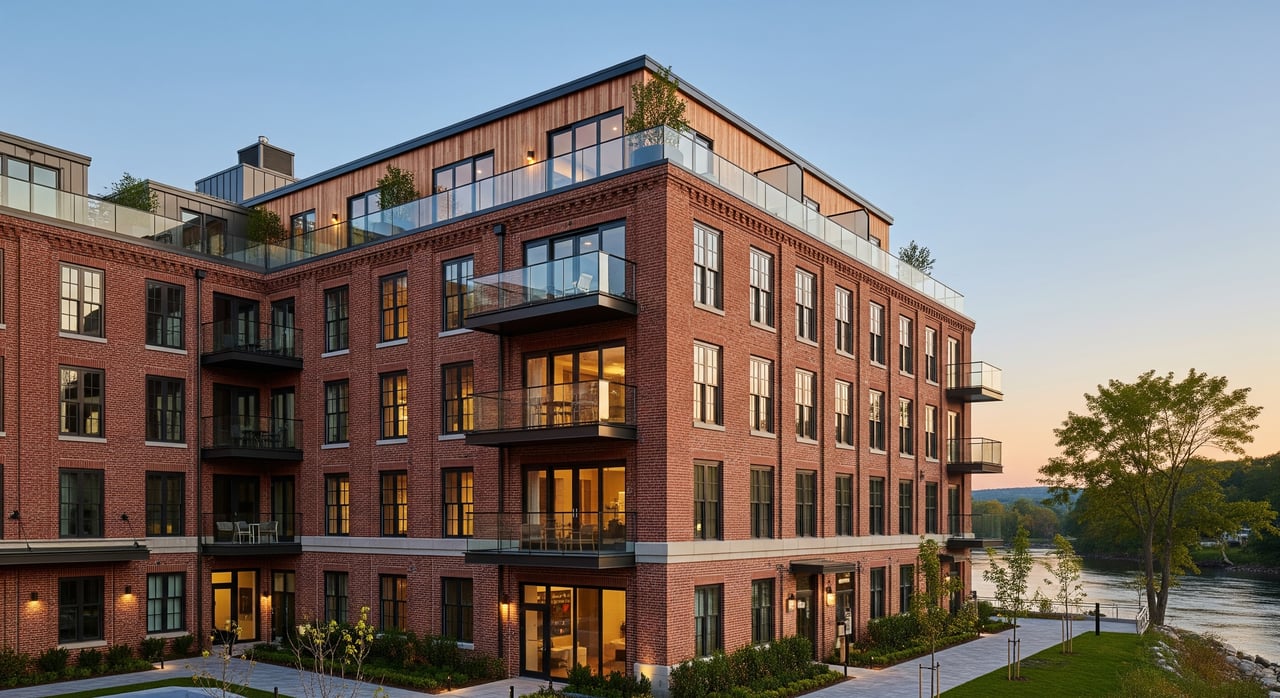
- Oceanfront condo: You typically own the interior of your unit and share an undivided interest in common elements like the building exterior, land, parking and any amenities. A condo association sets rules, manages building maintenance and insures common areas. You insure what the master policy does not cover inside your unit, per the bylaws.
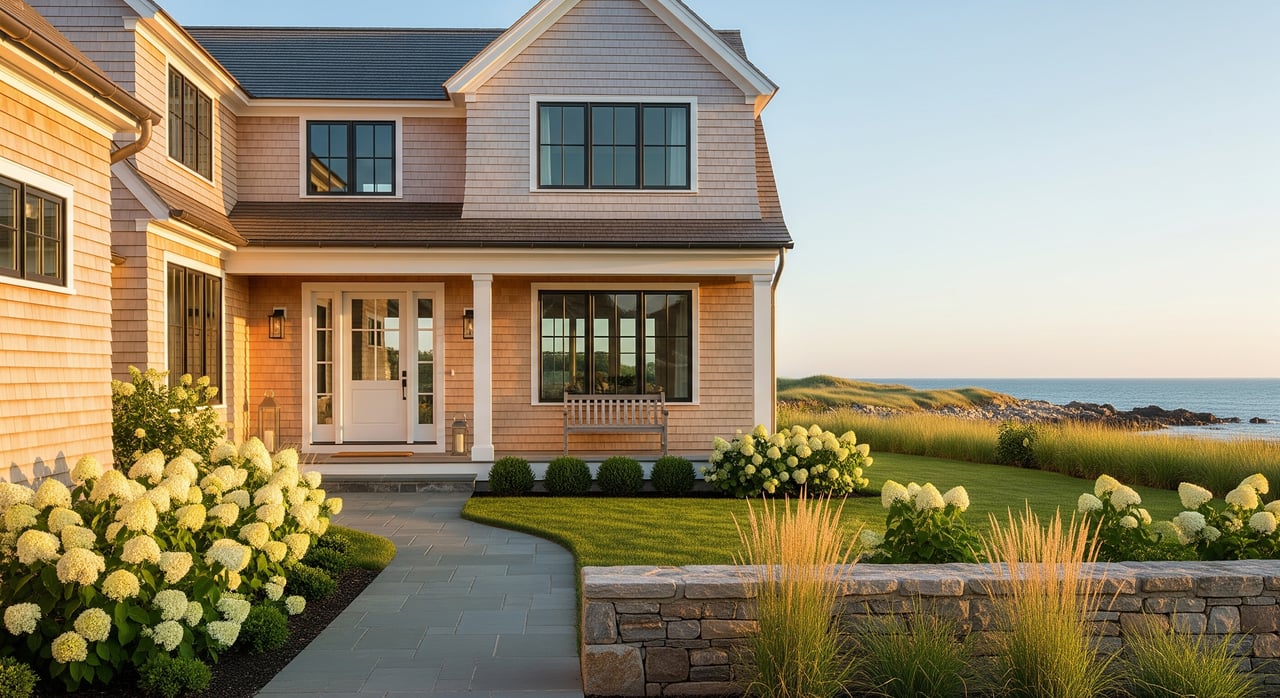
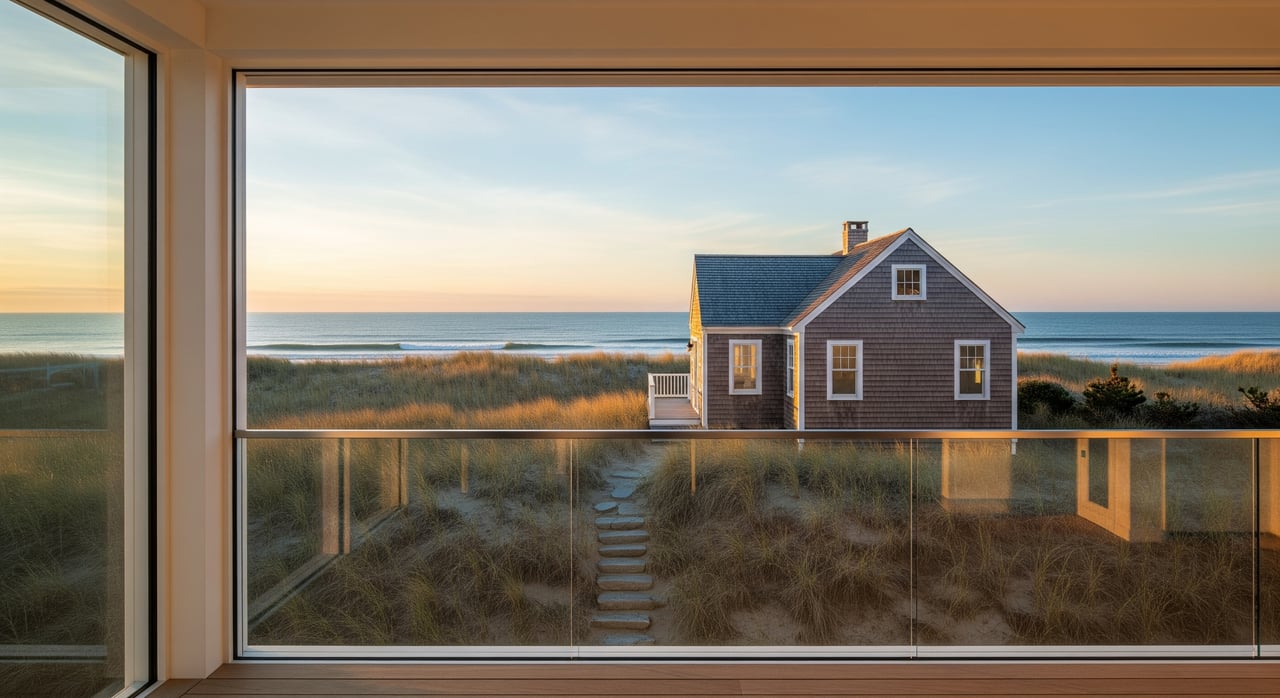
- Beach cottage: You usually own the structure and land in fee simple, subject to any deed restrictions, easements and coastal laws. You control the property and handle all exterior, site and system maintenance.
What to review before you decide:
- For condos: Read the CC&Rs and bylaws, master insurance policy type, reserve fund, history of special assessments, rental rules, parking and pet policies, and board stability.
- For cottages: Review the deed for restrictions or easements, confirm beach access rights, and understand littoral rights and any structures or uses near intertidal zones.
Upfront and ongoing costs
Purchase prices in Wells vary widely by beach proximity, size and condition. In general, condos can have a lower entry price, but you will pay association dues. Cottages tend to carry a premium for land and privacy. Use local MLS data and recent comparable sales to benchmark your search.
Expect these ongoing costs to differ by property type:
- HOA/condo dues: Often cover exterior maintenance, landscaping, snow removal, some utilities, insurance for common elements and reserves. Low dues are not always good news if reserves are thin. Ask for budgets, reserve studies and recent capital projects.
- Property taxes: Assessed values differ between condos and single-family parcels. Confirm details with the Wells Assessor’s Office.
- Insurance: Coastal homes often have higher premiums and separate wind or hurricane deductibles. If the property is in a FEMA Special Flood Hazard Area, a lender will usually require flood insurance. For condos, confirm what the master policy covers and what you must insure for interior finishes, personal property and any loss assessment coverage.
Maintenance planning matters along the coast. Salt, wind and winter storms can accelerate wear on roofs, siding, decks and HVAC. Cottages put full responsibility on you for exterior and site systems like septic, while condos spread many costs through the association. Request historical maintenance budgets, reserve studies and any recent engineering or capital plans.
Flood and coastal risk
Wells sits on the southern Maine shoreline, so oceanfront properties face north-Atlantic conditions, including salt spray, winter storms and changing tidal processes. Flood risk and sea-level rise are real planning factors.
- Flood zones: Many oceanfront parcels fall within FEMA AE or VE zones. That can affect construction standards, insurance costs and elevation requirements. Ask for an Elevation Certificate if available and request sample flood quotes from both NFIP and private insurers.
- Shoreland rules and permits: Maine shoreland zoning, sand dune rules and natural resources protection apply in coastal areas. Certain shoreline work, like seawalls or revetments, can require permits from Maine DEP and the Army Corps of Engineers. The Town of Wells Planning and Code teams can explain local setbacks and building rules for your specific lot.
- Erosion and dunes: Some beach and dune areas are managed or protected. Historical erosion at a specific site can influence insurability and long-term habitability. Local conservation groups and the Wells National Estuarine Research Reserve offer shoreline condition data.
A practical step is to check FEMA flood maps and long-range sea-level scenarios, then layer that information into your inspection, insurance quotes and renovation plans.
Lifestyle and everyday use
Think about how you want to use the property.
- Condos: Low-upkeep, easy to lock and leave, neighbors close by, possible on-site amenities and professional maintenance. Expect clearer rules about appearance, parking, pets and rentals.
- Cottages: More privacy and control, room for gardens or outbuildings, and freedom to renovate within zoning rules. You manage all upkeep, including winterizing and site work.
Parking and access can be a deciding factor. Condos may have assigned spaces and guest rules, while cottages often have more private parking but can sit on narrow beach roads. Check winter access and any municipal snow requirements.
Short-term rentals in Wells
Seasonality is strong in Wells, with peak demand in summer. Rental income can vary greatly by location, property size and proximity to the beach and parking. Condo associations sometimes limit rentals with minimum stays or caps, and some projects prohibit short-term rentals altogether.
Check local ordinances for Wells to confirm whether a permit is required, occupancy limits, and any local or state lodging tax obligations. If rentals are part of your plan, model realistic revenue based on similar properties and verify HOA rules in writing before you buy.
Resale and financing factors
Buyer pools differ between condos and cottages. Condos often attract buyers seeking lower maintenance or seasonal use, while cottages appeal to buyers who want land, privacy and expansion potential. Marketability can depend on scarcity of land, condition, parking and direct access to the beach.
Lenders underwrite condos differently. Some require project approval, minimum owner-occupancy ratios and healthy reserves. FHA and VA loans have specific condo certification requirements that can complicate financing in certain projects. For oceanfront homes, insurers and appraisers may apply stricter standards, and some lenders prefer larger down payments.
Scenarios: Which fits your goals
- Lock-and-leave seasonal owner: You want minimal upkeep and clear rules. A condo can fit if HOA finances are strong and the master policy aligns with your needs. Verify rental rules if occasional renting matters.
- Full-time resident seeking privacy: You want control over projects and outdoor space. A cottage can fit if you are ready for exterior maintenance and comfortable with shoreland permitting requirements.
- STR-focused investor: Your decision hinges on HOA rules, parking, beach access and cleaning logistics. A condo with favorable rental policies can work. A cottage can offer more control and parking, but plan for hands-on management or a property manager.
- Retiree simplifying expenses: You value predictable upkeep and single-level living. A condo can fit if dues and reserves are balanced. Compare total cost of ownership, not just purchase price.
Your Wells due-diligence roadmap
Use this checklist when comparing an oceanfront condo and a beach cottage in Wells:
- Title and legal:
- Condo: Get CC&Rs, bylaws, master insurance declarations, minutes of recent HOA meetings, reserve study, budget and any litigation or special assessments. Confirm rental rules, parking and pet policies.
- Cottage: Get the deed and confirm easements, shared driveways, beach access, and any restrictions. Understand littoral rights and the position of structures near intertidal areas.
- Insurance and flood:
- Confirm FEMA flood zone and request an Elevation Certificate if available. Get flood and homeowner quotes, including wind deductibles. For condos, verify master policy coverage and any loss assessment requirements.
- Structural and site:
- Check elevation relative to mean high water, foundation, signs of prior water intrusion, roof, siding, decks and corrosion from salt. Request coastal engineering reports if shoreline stabilization exists.
- Utilities and systems:
- Cottage: Verify septic type, age and service records. Condo: Confirm water/sewer arrangements. Identify heating fuel, insulation and winterization needs.
- Permitting and zoning:
- Confirm zoning, shoreland setbacks, and whether prior additions were permitted. Ask the Town of Wells about short-term rental rules and any planned municipal projects.
- Market and rentals:
- Compare sales from the last 12–24 months and rental comps for peak season rates and occupancy. For condos, verify any rental caps or minimum stays.
- HOA health:
- Review reserve levels, recent capital projects, management stability and meeting minutes for maintenance or litigation concerns.
- Environmental context:
- Ask about dune stabilization, erosion history and any repetitive-loss history for flooding. Consult local conservation resources for shoreline trends.
Quick pros and cons
Oceanfront condo
- Lower maintenance and easy seasonal lockup
- Shared exterior costs through HOA reserves
- Clear rules for appearance, parking and rentals
- Potential limits on STRs and renovations
- HOA dues and possible special assessments
- Insurance coordinated with a master policy
Beach cottage
- More privacy, land and control over projects
- Strong appeal for buyers who value space
- Full responsibility for exterior, site and systems
- May face stricter flood, erosion and permitting factors
- No HOA dues, but higher variability in maintenance costs
- Insurance can be more complex for oceanfront locations
Choosing between these paths comes down to your appetite for maintenance, your rental plans and your long-term view of coastal risk. If you want help weighing real numbers for specific properties, reach out for local comps, flood and insurance guidance, and a clean due-diligence plan tailored to your goals. Connect with Adam Parent to get started.
FAQs
What should a first-time Wells buyer compare in a condo vs cottage?
- Start with total cost of ownership, including HOA dues, insurance and likely maintenance, then add flood risk, rental rules and parking access before you focus on finishes.
How do FEMA flood zones affect oceanfront financing in Wells?
- Properties in AE or VE zones often require flood insurance, and lenders can apply stricter underwriting, so get quotes and an Elevation Certificate early in the process.
What condo documents matter most before buying on the beach?
- Review CC&Rs, bylaws, master insurance declarations, reserve study, current budget, meeting minutes and any special assessments or litigation.
What should I check for a beach cottage septic system in Wells?
- Confirm septic type, age, capacity and recent pumping or inspection records, and make sure past additions were properly permitted and sized for the system.
Are short-term rentals allowed for all oceanfront properties in Wells?
- Not always. Local ordinances and HOA rules can set permits, occupancy limits and minimum stays, so verify both town rules and association policies in writing first.