Thinking about buying a multi-family in Biddeford but not sure where to start? You are not alone. The city has momentum, and the numbers can work if you know how to underwrite Maine-specific costs and local rules. In this guide, you will learn what drives demand, which metrics matter most, the key regulations to check, and a practical due diligence plan you can use on your next tour. Let’s dive in.
Why Biddeford for multi-family
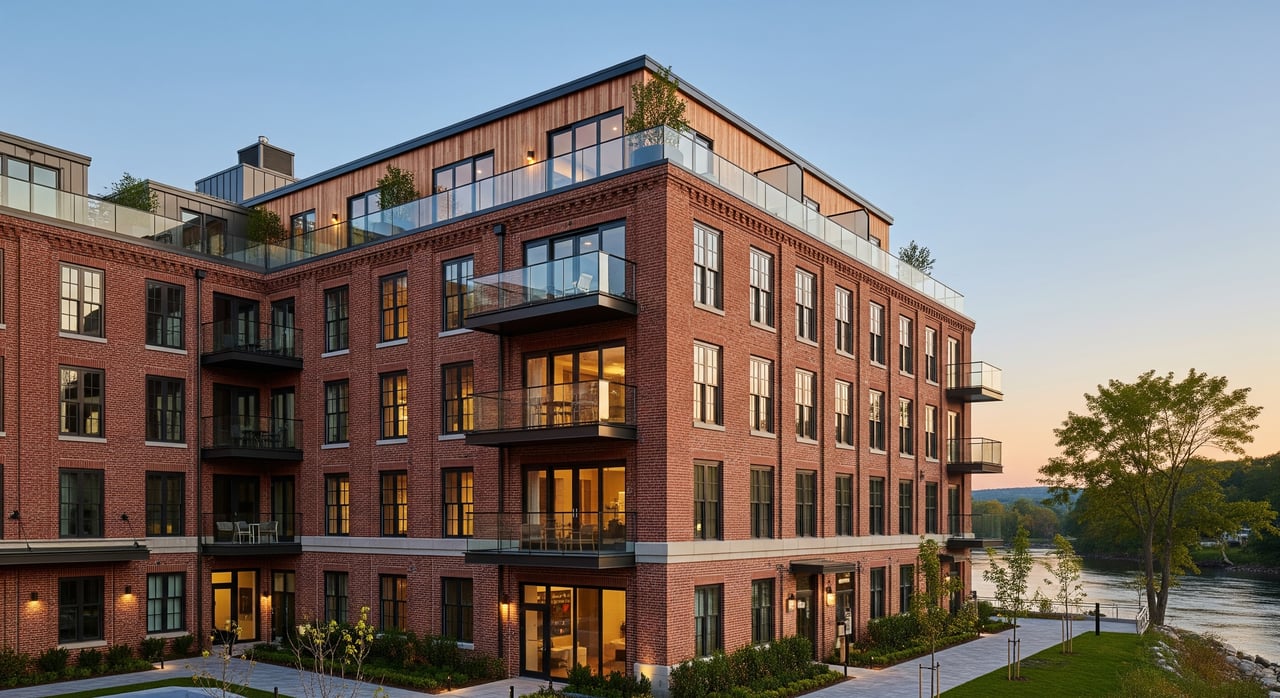
Biddeford sits in Southern Maine near Portland and the coast. Over the past decade, investor interest has grown around the downtown mill revival and steady rental demand tied to students, staff, and area commuters. The city blends historic housing stock with new and converted product, which creates both opportunity and complexity for investors.
Demand drivers to know
- Mill and downtown redevelopment has brought new apartments and amenities along the Saco River.
- Proximity to greater Portland supports commuter demand seeking value and access.
- The nearby University of New England provides stable student and employee demand.
- Coastal tourism nearby adds seasonal pressure in certain submarkets.
Neighborhood snapshots
- Downtown and mill district: higher rents in renovated mill conversions and newer builds with walkable amenities.
- Hill and traditional streets: many 2–4 unit houses that trade like residential multi-family.
- Near UNE and riverfront pockets: consistent interest from students and young professionals.
- Edges toward Saco and Old Orchard Beach: more seasonal dynamics and potential short-term rental interest if allowed.
If you want a quick sense of local population and household trends, scan U.S. Census QuickFacts for Biddeford as a starting point.
Run the numbers right
Winning deals in Maine starts with careful underwriting. Focus on fundamentals and stress test for winter costs and potential vacancies.
Key metrics that matter
- NOI and cap rate: Ground your valuation in actual income minus realistic expenses.
- Cash-on-cash and IRR: Measure annual cash flow and total return on your invested capital.
- DSCR: Many commercial lenders want DSCR above 1.20–1.25 on 5+ unit loans.
- GRM: Fine for quick screening, but do not rely on it for final valuation.
Financing by property size
- 2–4 units: Often qualify for residential financing. If you plan to live in one unit, some programs offer lower rates and down payments.
- 5+ units: Treated as commercial; expect different underwriting, rates, and terms with banks or agency lenders.
Maine-specific operating costs
- Heating and winter ops: Fuel, boiler maintenance, and snow removal can be significant.
- Aging systems: Older New England buildings often need electrical, plumbing, and mechanical updates.
- Insurance and flood risk: Properties near the Saco River or low-lying areas may require flood coverage.
Build conservative line items for heat, insurance, and reserves. In older or converted buildings, set a capital expenditure reserve for big-ticket items like roofs, boilers, and windows.
Zoning and rules to check
Before you write an offer, confirm what you can do with the property and what it will cost to maintain.
Verify zoning and permits
- Confirm the zoning district and that multi-family use is permitted.
- Check unit counts, occupancy limits, and off-street parking requirements.
- Look for historic district overlays or design review that may affect exterior work.
- Ask about any required rental registrations or inspections with local code enforcement.
Floodplain and insurance
- Review FEMA flood maps to see if the parcel lies in a flood zone. Use the FEMA Flood Map Service Center to check designations and consider an elevation certificate.
- Price flood insurance early if the property is in a special flood hazard area.
Landlord-tenant and STR rules
- Maine state law governs notices, security deposits, and habitability. Review the Maine landlord-tenant law overview to understand timelines and obligations.
- Short-term rental rules can be local. Verify where they are allowed, if permits are required, and any limitations.
Due diligence checklist
Use this checklist during underwriting and before closing so you do not miss costly items.
Documents to gather
- Current rent roll and all executed leases; confirm actual in-place rents.
- 12–24 months of income, expense, and all utility bills.
- Certificate of occupancy and any code or health inspection history.
- Property tax bills and assessment history.
- Recent inspection reports and, for larger or mill-era assets, a Phase I environmental report.
- Insurance claims history for the past 5–10 years.
Physical inspections
- Structure: foundation, roof, chimneys, framing, and site drainage.
- Mechanical systems: boilers or furnaces, hot water, electrical panel capacity and safety, and plumbing condition.
- Fire and life safety: egress paths, stairways, fire separations between units, and smoke and CO detectors.
- Environmental risks: lead paint in pre-1978 units, asbestos in older and mill buildings, and underground or old oil tanks.
Operations and management
- Vacancy and turnover: plan for student cycles near UNE and seasonal shifts near the coast.
- Tenant screening and lease enforcement: understand local court timelines and costs.
- Management approach: in-house vs. third-party. Fees vary and can be higher for small portfolios.
- Capital reserves: set aside funds for roofs, boilers, windows, and code upgrades as needed.
Taxes and accounting
- Work with a Maine CPA on rental income tax treatment, depreciation, and state tax exposure.
- Track expenses by unit to keep clean records and support return analysis.
Opportunities and risks
Biddeford can offer solid returns if you match product type to your plan and budget risk conservatively.
Where investors see upside
- Downtown and mill conversions: Value-add potential in historic fabric that renters find appealing.
- 2–4 unit owner-occupant plays: Easier financing and lower down payment options in some programs.
- Proximity to UNE and Portland: A steady base of tenants from students, faculty, and commuters.
Consider statewide context and programs through MaineHousing when evaluating broader housing trends.
Common pitfalls and how to mitigate
- Deferred maintenance: Use thorough inspections and set real capex reserves.
- Environmental surprises: Order the right environmental reports for older or industrial-era properties.
- Seasonality and STR limits: Underwrite long-term rents first and verify local STR rules before counting on that income.
- Flood exposure: Confirm FEMA flood status and budget for insurance or mitigation if required.
- Rising operating costs: Stress test your pro forma for higher heat, insurance, and tax scenarios.
Your next steps
- Start with the basics: verify zoning and permitted use, request the full rent roll and financials, and line up your inspection team.
- Build a conservative pro forma using actual utility history and realistic vacancy.
- Confirm flood status on the FEMA Flood Map Service Center and review Maine tenant law basics through the state’s consumer guidance.
- If you plan to house-hack a 2–4 unit, speak with local lenders about residential financing options and DSCR needs for larger buildings.
When you are ready to compare deals or want eyes on a specific property, reach out to a local advisor who works these assets every week. If you want a clear plan, neighborhood-level insight, and introductions to vetted inspectors, lenders, and managers, connect with Adam Parent.
FAQs
What makes Biddeford attractive for multi-family investors?
- A mix of downtown revitalization, proximity to greater Portland, and steady demand from the nearby University of New England supports year-round tenancy.
How should I underwrite winter costs in Maine?
- Use actual fuel and utility histories, budget for snow removal and boiler maintenance, and add a cushion for colder seasons.
What is the main financing difference between 2–4 and 5+ units?
- 2–4 units often qualify for residential loans, while 5+ units are commercial and require DSCR-focused underwriting and different terms.
Which regulations should I confirm before I make an offer?
- Verify zoning and permitted use, occupancy limits, parking, any rental registration, flood zone status, and historic or design review requirements.
How do I check flood risk for a property in Biddeford?
- Search the address on the FEMA Flood Map Service Center and consider an elevation certificate if it is near a flood zone.
Where can I read Maine landlord-tenant rules?
- Review the state’s consumer guidance on Maine landlord-tenant law for notices, deposits, and habitability basics.