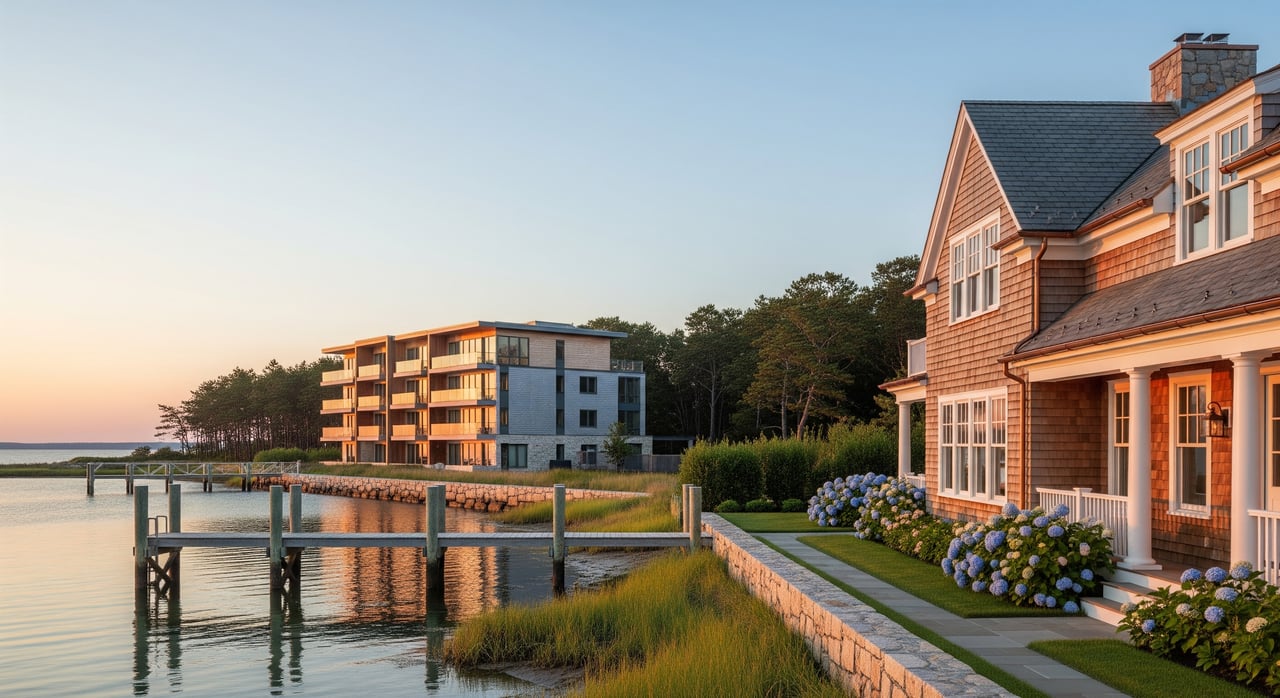
Trying to decide between a condo or a house in Falmouth? With coastal exposure, a tight mix of neighborhoods, and a limited number of condos, the right choice depends on how you want to live and what you want to spend each month. You want clarity that goes beyond clichés so you can compare real costs, risks, and day-to-day tradeoffs. This guide walks you through the key differences in Falmouth, what to verify before you buy, and how to match the property type to your goals. Let’s dive in.
What drives costs in Falmouth
Falmouth is a near-coastal town just north of Portland with neighborhoods that range from the waterfront character of Falmouth Foreside to more residential inland areas. These micro-locations play a big role in pricing, maintenance expectations, and insurance needs. Waterfront and near-water properties often command premiums and can move faster than inland listings.
Coastal exposure also affects maintenance and insurance. Salt air, wind, and potential flood-zone designations can raise costs and complexity, especially for homes near the shore. Zoning and shoreland rules affect what you can change or add, which can shape value and long-term plans.
Condo vs. house: cost breakdown
Purchase price and availability
In Falmouth, single-family homes generally carry higher purchase prices than condos, especially close to the water. Condos can offer a lower entry point, but there are fewer units to choose from in the most desirable spots. If you want a specific neighborhood or view, the limited condo inventory may narrow your options.
For houses, you have a wider range of styles and lot sizes, which can help you find a closer fit. Just expect more competition for well-located or updated properties, and plan for higher upfront costs compared to many condo options.
Financing and approvals
You can use conventional, FHA, or VA financing for both property types. That said, condos often come with extra lender scrutiny. Lenders look at the health of the association budget, reserve funding, owner-occupancy ratios, delinquency rates, and any pending litigation.
If a condominium project does not meet specific program requirements, your loan options may narrow or require additional documentation. Single-family homes typically have a larger pool of comparable sales, which can help the appraisal process, while some condo projects have fewer comps.
Monthly costs to compare
To understand your true monthly payment, add these components for each property you are considering:
- Mortgage principal and interest
- Property taxes
- Insurance (HO-3 for a house, HO-6 for a condo, plus any required flood coverage)
- HOA dues for condos and what they include
- Utilities that are not bundled in dues
- Routine maintenance and a set-aside for capital projects
Condos can feel simpler because exterior work is often handled by the association. However, HOA fees vary widely, and some include utilities like water or heat while others cover only common-area maintenance and insurance. For a house, you control the schedule and vendor choices, but you also carry the full cost of exterior upkeep.
Insurance and flood risk in Falmouth
Parts of Falmouth fall within FEMA flood zones, especially near the coast and tidal areas. If a property sits in a lender-required flood zone, you will need a flood policy, which increases your monthly cost. Coastal exposure can also raise premiums due to wind and storm risk.
For condos, the association’s master policy typically covers the building exterior and common elements. You still need a personal HO-6 policy for interior finishes, personal property, liability, and loss assessment coverage. For single-family homes, you will carry a standard homeowner policy and full responsibility for exterior risks.
Taxes and closing costs
Property taxes are based on assessed value and the local mill rate. Closing costs are similar for both property types and include title insurance, recording and transfer taxes, and lender fees. Condo sales can include added document fees for association certifications, resale packages, or questionnaires that lenders require, which may increase transaction costs.
HOA fees, reserves, and assessments
Association dues should be evaluated alongside budgets, reserve studies, and meeting minutes. Strong reserve funding reduces the risk of special assessments, while underfunded reserves increase it. Ask exactly what is included in dues, the history of increases, and whether any capital projects are planned.
If the association plans major work like roofing, siding, or shoreline-related projects, you may face higher dues or one-time assessments. This risk is part of the condo tradeoff for lower day-to-day maintenance.
Lifestyle and control
Living in a single-family house
You get more control over landscaping, exterior changes, and additions, within town zoning rules. Yards and privacy are common draws. You can tailor the property to your needs with fencing, sheds, or long-term expansions if zoning allows.
The tradeoff is time and cost. You will manage snow removal, lawn care, exterior paint, roofing, and driveway work. Coastal properties can require more frequent upkeep due to salt and wind exposure.
Living in a condominium
You typically spend less time on upkeep. Exterior maintenance, snow removal, and common-area care are handled by the association. Some communities offer amenities like storage, shared green space, or waterfront access.
You will have rules to follow. Expect policies on pets, rentals, parking, and exterior modifications. These guidelines keep the property consistent, but they limit personal control.
Resale, rentals, and rules
Resale and appreciation
Single-family homes often follow different appreciation patterns than condos. In supply-constrained areas, well-located condos can perform strongly, while waterfront or near-water homes remain competitive due to scarcity. Your results will depend on location, condition, and how the broader Greater Portland market is moving.
Condos may have a narrower buyer pool in some neighborhoods, yet they appeal to downsizers, first-time buyers, and seasonal owners who value convenience. Houses attract buyers who prioritize space, yards, and long-term flexibility.
Rental and short-term rental
Many condo associations limit short-term rentals and may cap the number of rented units at any time. Read the rules carefully before you rely on rental income. Single-family homes also face local zoning and nuisance standards, and coastal or seasonal demand can vary by street.
If rental flexibility matters, verify town ordinances and association rules before you write an offer. Your financing and insurance may also change if you plan to use a property as a rental.
Due diligence checklists
For any Falmouth property
- Review comparable sales from the last 6 to 12 months for your micro-location.
- Order a full home inspection and add septic, well, oil tank, or lead paint inspections if relevant.
- Request the current property tax bill and assessed value.
- Confirm water and sewer setup, or septic system age and maintenance history.
- Build a monthly budget that includes mortgage, taxes, insurance, utilities, and a maintenance reserve.
Condo-specific documents to review
- Declaration, bylaws, rules and regulations
- Current budget, last 3 years of financials, and the latest reserve study
- Board and association meeting minutes for the last 12 to 24 months
- Insurance certificate, list of owner-occupied units, and delinquency rates
- History of special assessments and any pending litigation
- Estoppel or resale certificate, plus any move-in or application fees
- Management company details and service scope
House-specific items to confirm
- Property survey and lot lines if boundaries or expansion are important
- Zoning, setbacks, and shoreland rules if you plan additions or an accessory dwelling unit
- Past permits for shoreline or exterior work, especially near the Foreside or tidal areas
- Roof, siding, window, and mechanical ages and expected replacement timelines
- Drainage, grading, and coastal exposure that could affect maintenance
Which one fits your goals
- First-time buyers or low-maintenance seekers: A condo can offer a simpler ownership experience and a potentially lower entry price. Focus on association health and dues stability.
- Families and long-term planners: A single-family home delivers more control and room to grow. Budget for higher maintenance and possibly higher taxes and insurance.
- Downsizers and seasonal owners: Condos near the water or with convenient access can be ideal. Read rental and guest policies closely if you expect frequent visitors.
- Investors: Confirm rental rules, town ordinances, and lender requirements. Your cash flow depends on both property-level numbers and association policies.
Choosing between a condo and a house in Falmouth comes down to how you want to spend your time and money. If you want control, privacy, and room to personalize, a house fits. If you want convenience and predictable exterior upkeep, a condo fits. The right move is to compare real monthly costs, review the fine print, and stress test your plan for flood, insurance, and future capital needs.
Ready to weigh specific properties and run a side-by-side cost analysis for your short list? Reach out to Adam Parent for local guidance, a clear monthly budget worksheet, and a plan that fits your lifestyle and investment goals.
FAQs
What costs should I compare for a Falmouth condo vs. a house?
- Add mortgage, property taxes, insurance, HOA dues, utilities, and a maintenance reserve to see your true monthly number.
Are condo HOA fees in Falmouth more expensive than house costs?
- It depends on what dues include and the association’s reserves; compare dues plus an assessment cushion against a house’s exterior upkeep and utilities.
Do I need flood insurance for Falmouth properties near the coast?
- If a lender identifies a FEMA flood zone for the address, a flood policy is usually required, which increases monthly costs.
Are condos harder to finance than single-family homes in Falmouth?
- Some lenders apply extra reviews to condos, including budget health and owner-occupancy ratios, which can affect approval and timelines.
What documents should I review before buying a Falmouth condo?
- Read the declaration, bylaws, rules, budgets, reserve study, meeting minutes, insurance certificate, and any records of assessments or litigation.