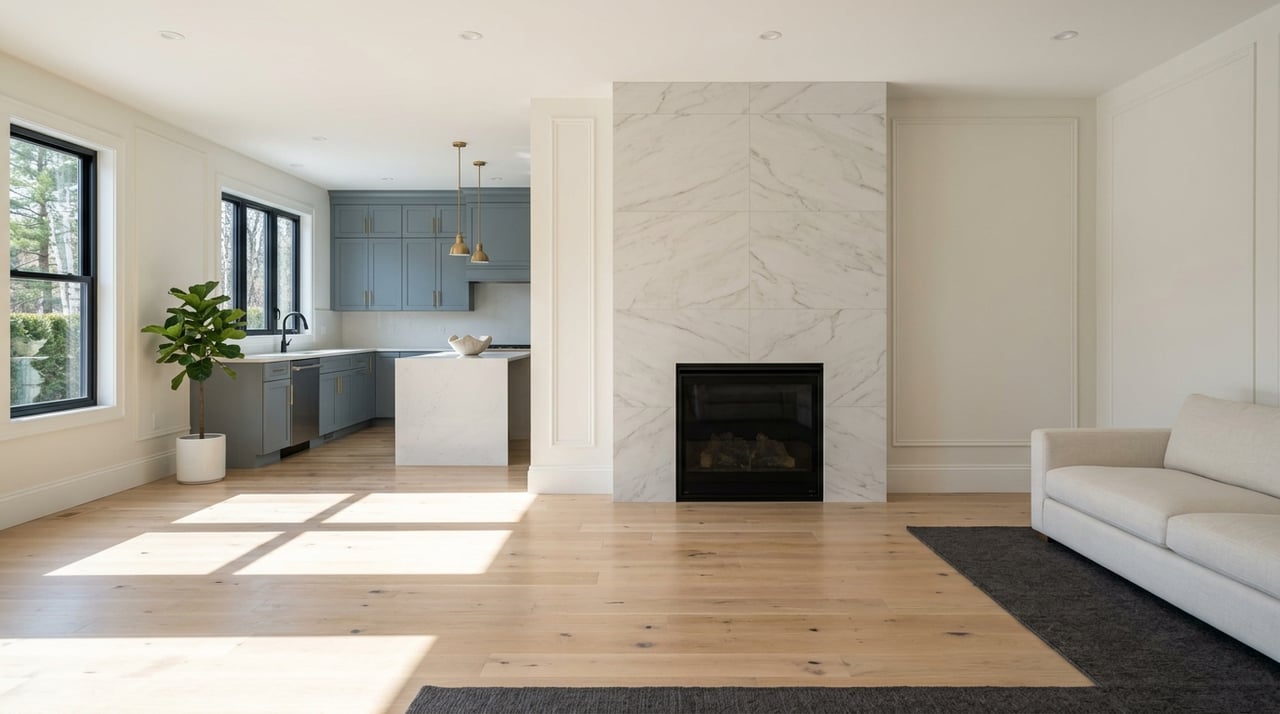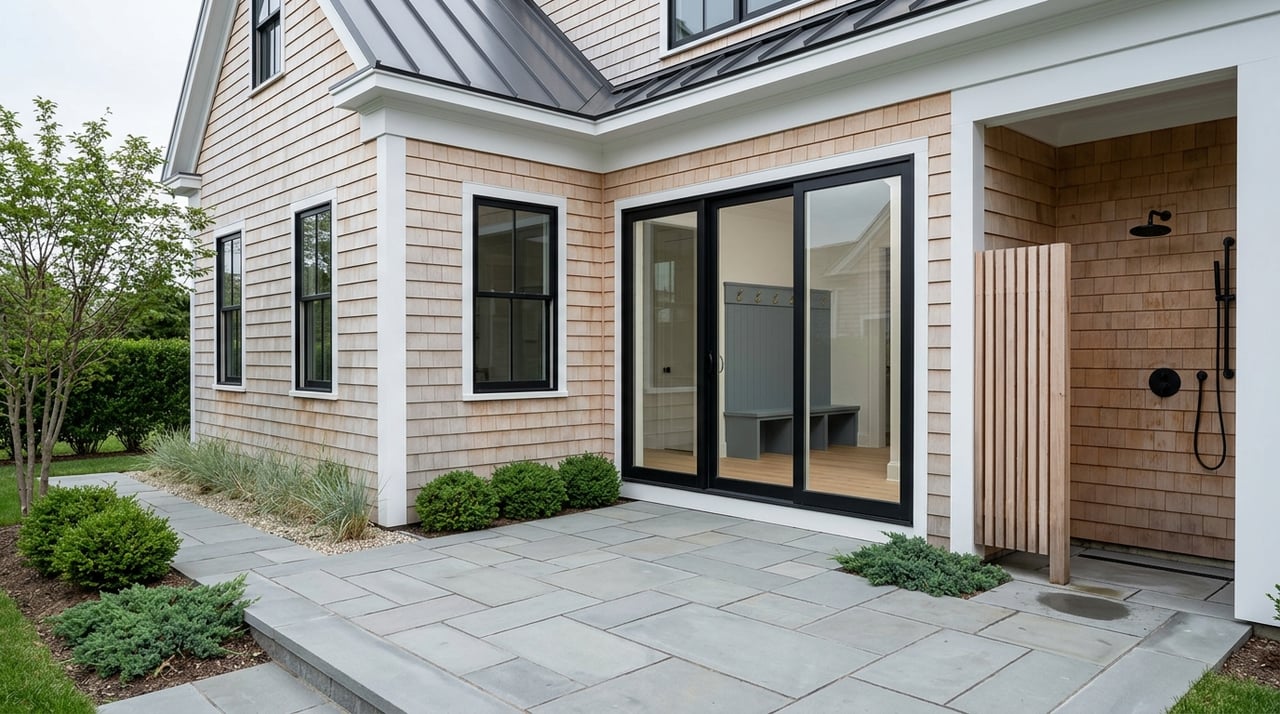
If you picture coastal Maine as something you only enjoy on weekends, Cape Elizabeth may surprise you. This is a town where ocean views, beach walks, and trail time can be part of an ordinary Tuesday, not just a special outing. If you are wondering what daily life really feels like here, this guide will help you understand the rhythm of the town, the housing landscape, and what it means to live on this stretch of the Cumberland County coast. Let’s dive in.
What living in Cape Elizabeth feels like
Cape Elizabeth is a coastal peninsula town of about 9,827 residents spread across 14.85 square miles of land. It sits roughly 5 miles southeast of Portland and extends into the Atlantic at the entrance to Casco Bay. That setting gives the town a quiet, residential feel while keeping Greater Portland close by.
The lifestyle here is shaped by space, shoreline, and routine access to the outdoors. With about 642 residents per square mile, Cape Elizabeth feels more spread out than a dense village center. The town has also taken steps to preserve its rural character, which helps explain why it feels scenic and residential at the same time.
Ocean access is part of daily life
In many towns, being near the water is mostly about views. In Cape Elizabeth, ocean access is part of how many residents spend their time day to day. The local parks, beaches, and trail systems make it easy to work a walk, beach stop, or nature break into a normal schedule.
Fort Williams Park is one of the clearest examples. The town’s master plan describes it as a place residents and nearby neighbors use for ocean access, dog walking, bird watching, and sightseeing. While many visitors come for Portland Head Light, locals often use the park as part of their regular routine.
Nearby outdoor options add even more variety. Crescent Beach State Park includes a mile-long crescent beach, picnic tables, grills, a playground, a snack bar, and a bathhouse. Kettle Cove offers a walking trail around the cove, and Two Lights State Park features 41 acres of rocky headlands with broad views of the Gulf of Maine and the Atlantic.
Cape Elizabeth also has public trail lands that include tidal marshes, old-growth forests, sandy beaches, open fields, dense coniferous woods, and ocean promontories. Public access is available from dawn to dusk. For you as a buyer, that means the coast is not just a backdrop. It can shape your morning walk, your evening reset, or your weekend routine without leaving town.
Cape Elizabeth is residential first
One of the most important things to understand about Cape Elizabeth is that it is not built around a busy urban core. Its identity is more residential and coastal than commercial or densely mixed-use. That changes the feel of daily life in a way many buyers find appealing.
The town’s own history and planning materials point to gradual residential growth and a strong connection to the Greater Portland area. Most inhabitants now work outside Cape Elizabeth, and the town has worked to preserve its rural character. In practice, that often means your home life feels calm and neighborhood-oriented, while your work and errands may connect you to nearby communities.
This pattern is a big part of the town’s appeal. You get a coastal setting that feels removed from the pace of the city, but you are still close enough to Portland for regular commuting and regional access.
Commuting is tied to Greater Portland
If you are moving to Cape Elizabeth, it helps to think of the town as part of a larger regional routine. According to the town’s housing-study workshop, 91% of working residents work outside Cape Elizabeth. The same workshop noted that 72% of people employed in town commute in from elsewhere.
Census QuickFacts reports a mean travel time to work of 21.4 minutes. Taken together, those numbers suggest a commute pattern that is mostly regional and largely car-oriented. Portland and South Portland are likely to be the main day-to-day destinations for work, services, and errands.
That mix creates a lifestyle many buyers want. You can live in a coastal residential setting, then head into the Greater Portland area for work and daily needs. It is one reason Cape Elizabeth feels both peaceful and connected.
Housing is mostly single-family homes
Cape Elizabeth’s housing stock is still dominated by detached homes. The town’s Housing Diversity Study Committee reported that about 84% of the current housing stock is single-family detached, 4% is single-family attached, and 6% is multifamily or multiplex. The same study described the housing stock as relatively homogeneous and limited in what is often called missing middle housing.
That matters if you are comparing Cape Elizabeth to places with a broader mix of condos, townhomes, and compact multifamily options. Here, the market leans strongly toward detached homes and owner occupancy. Census data supports that picture, showing an 88% owner-occupied rate.
For many buyers, that adds to the residential stability and traditional neighborhood feel. It also means inventory can feel narrower depending on the home type you want.
Home prices reflect the coastal setting
Cape Elizabeth is a high-cost market, and the numbers help explain why. Census QuickFacts lists the median owner-occupied home value at $731,600. Town housing-study materials also show how strongly values have risen over time.
From 2011 to 2021, the median non-oceanfront single-family sale price increased from $336,250 to $695,000. During that same period, the median sale price for oceanfront single-family homes reached $2.1 million. That pricing spread shows how much of a premium buyers place on shoreline locations and direct coastal appeal.
If you are shopping in Cape Elizabeth, this is important context. Two homes in the same town can serve very different goals and budgets depending on proximity to the water, views, and site conditions.
Architecture feels classic New England
Cape Elizabeth’s housing style is not one-note, but it does lean traditional. A local survey of significant structures found that about 50% were Colonial Revival. Other identified styles included Greek Revival, Italianate, Queen Anne, Craftsman, Tudor, Shingle, Prairie, International, and Federal.
That gives the town a visual identity that feels established and distinctly New England. Even with a range of home ages, lot sizes, and settings, the overall look tends to feel rooted rather than overly trendy. If you are drawn to homes with classic lines and a sense of place, that is part of what makes Cape Elizabeth memorable.
Who Cape Elizabeth often fits best
Cape Elizabeth can be a strong fit if you want your home life to feel closely tied to the coast. The town offers direct access to beaches, headlands, trails, and open space while keeping Portland within a short drive. That combination supports a lifestyle centered on scenery, outdoor routines, and a quieter residential pace.
It may also appeal to you if you value detached homes, established neighborhoods, and a market with a strong owner-occupied presence. At the same time, the housing mix and price points mean it helps to enter the search with a clear understanding of your priorities. Location within town, water access, and property type can have a big impact on what is available.
What to keep in mind before moving
Before you make a move to Cape Elizabeth, it is worth thinking about how you want to spend your time every day. If beach access, trail networks, and a coastal setting are high on your list, the town offers a strong lifestyle match. If you want a more compact town center or a wider mix of housing types, your search may need a closer look.
It also helps to understand the regional nature of life here. Many residents work outside town, and daily routines often extend into Portland and nearby communities. For the right buyer, that balance is exactly the point: you come home to the coast without giving up access to the rest of southern Maine.
If you are exploring Cape Elizabeth or comparing coastal towns across southern Maine, working with a local expert can help you weigh lifestyle, pricing, and property options with more clarity. When you are ready to talk through your next move, connect with Adam Parent.
FAQs
What is daily life like in Cape Elizabeth, Maine?
- Daily life in Cape Elizabeth is shaped by shoreline access, neighborhood living, and regional commuting, with parks, beaches, and trails woven into regular routines.
How close is Cape Elizabeth to Portland, Maine?
- Cape Elizabeth is about 5 miles southeast of Portland, making it close enough for commuting while still feeling distinctly coastal and residential.
What outdoor access does Cape Elizabeth offer residents?
- Cape Elizabeth offers access to Fort Williams Park, Crescent Beach State Park, Kettle Cove, Two Lights State Park, and public trail lands with beaches, marshes, woods, and open fields.
What types of homes are common in Cape Elizabeth?
- The housing stock is mostly single-family detached homes, which make up about 84% of the town’s current housing inventory.
Are home prices in Cape Elizabeth higher near the water?
- Yes. Town housing-study materials show a major price difference between non-oceanfront single-family homes and oceanfront single-family homes, reflecting a strong premium for shoreline locations.
Is Cape Elizabeth a good fit for buyers who commute?
- It can be, especially if you want a coastal home base near Greater Portland, since most working residents commute outside the town and the mean travel time to work is 21.4 minutes.