If you have ever thought about buying a small commercial property in Portland, you already know the hard part is not just finding a building. It is figuring out whether that storefront, office condo, or mixed-use property actually fits your business goals, your budget, and the city’s rules. The good news is that once you understand a few local basics, you can approach the process with much more clarity and confidence. Let’s dive in.
Why Portland Small Commercial Is Different
Portland’s small commercial market is not one single category. The city has a range of commercial and mixed-use zoning districts, including B-1, B-1b, B-2, B-2b, B-3, B-4, B-5, B-5b, B-6, B-7, and the India Street Form-Based Code district. That matters because the same square footage can function very differently depending on where it sits.
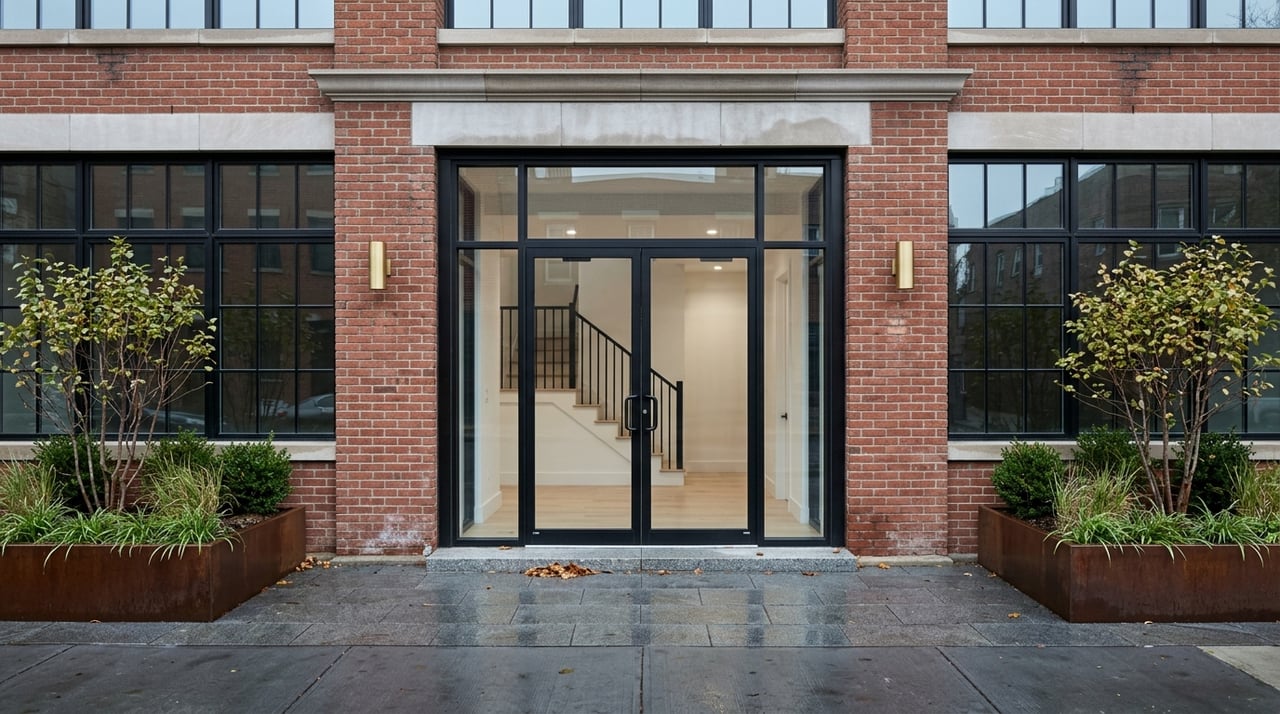
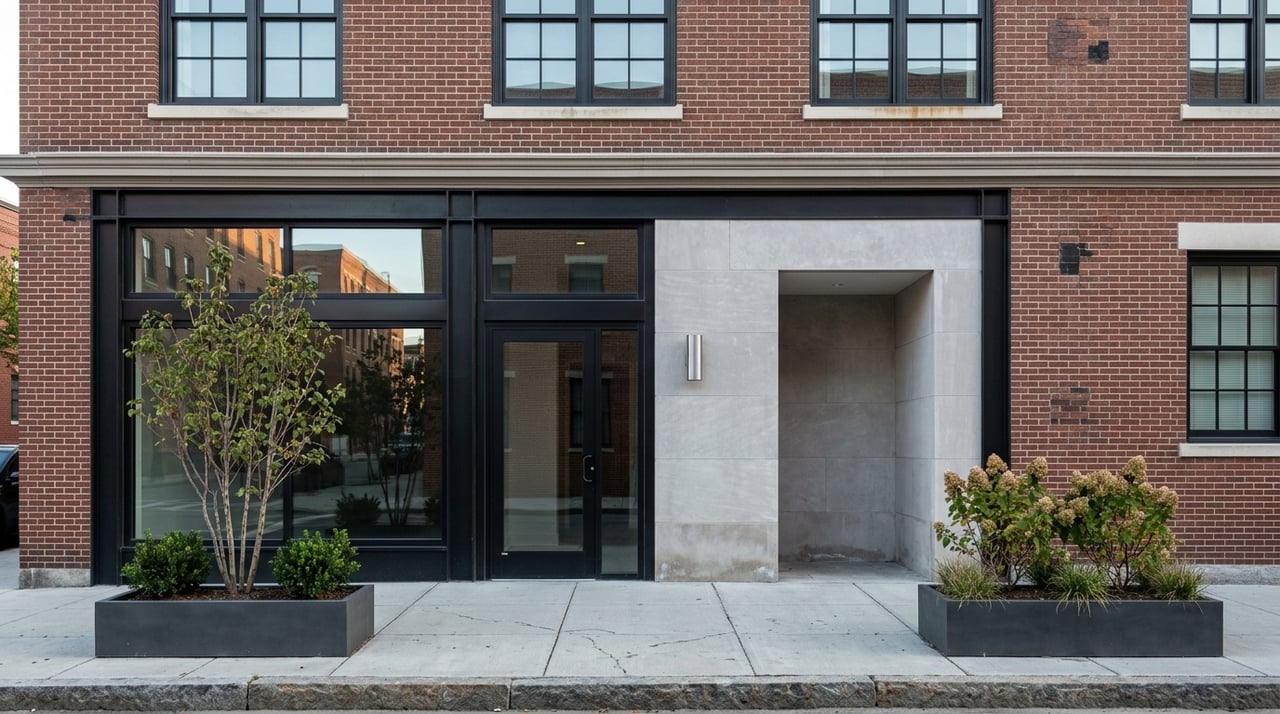
For many local owners, the most common opportunities fall into a few clear patterns. You may see neighborhood storefronts, mixed-use buildings with commercial space on the ground floor and residential units above, downtown office or retail spaces, and pedestrian-oriented properties in established urban corridors. In Portland, a small commercial purchase is often about matching the property type to the right district rather than treating every listing the same.
Common Zoning Patterns To Know
In B-1b neighborhood business areas, the city’s intent is to support small-scale ground-floor commercial uses in existing buildings, serve a local market, and preserve residential uses above the ground floor. That can make these properties especially relevant if you want a smaller footprint in a neighborhood setting.
In B-2 and B-2b community business districts, you are more likely to find a mix of commercial uses, housing, and services. B-2b in particular is oriented to neighborhood retail and service uses close to the street in compact, pedestrian-scale areas, including parts of the peninsula and established arterial corridors.
In B-3 downtown business contexts, uses often include office, retail, financial services, restaurants, and hotels. These properties can offer strong visibility and activity, but they may also come with a more layered approval or operational environment depending on the site.
In B-7 mixed use urban areas, the focus is on dense mixed-use neighborhoods, a pedestrian environment, a mix of uses, and strong street-level continuity. If you are considering a property in a more urban mixed-use setting, that framework can shape everything from building form to use expectations.
Start With The Right Property Fit
Before you look at price, ask a simple question: Does the building fit what you actually need to do there? That means thinking about zoning, layout, frontage, visibility, parking, access, and whether the current setup supports your intended use.
A small commercial building that looks attractive online may not be the right fit if the space requires major changes, falls under special review, or has lease terms that limit your flexibility. On the other hand, a less flashy property can be a strong buy if the use, location, and economics line up well.
Questions To Ask Early
- Is the property in a zoning district that supports the use you want?
- Is it set up as a storefront, office, mixed-use building, or another format?
- If tenants are in place, what does the lease actually require?
- Will you need permits, inspections, or license coordination before opening?
- Is the site in a historic district or otherwise subject to extra review?
These questions can save you time before you spend energy underwriting the deal.
Understand The Lease Before You Underwrite
If you are buying a leased property, the lease structure matters just as much as the rent amount. Commercial leases are not one-size-fits-all, and small owners can run into trouble when they focus only on the base rent.
A gross lease generally means the tenant pays a set amount and the landlord builds expenses like maintenance, taxes, and other costs into that rent. A net lease shifts some or all operating and maintenance expenses to the tenant. A triple net lease, often called NNN, usually means the tenant pays rent plus taxes, insurance, and maintenance or common area costs.
Read The Full Expense Stack
A lower base rent does not automatically mean a better deal. If the tenant is covering taxes, insurance, repairs, utilities, or common-area maintenance under a net structure, the economics may be stronger than they first appear.
That is why it helps to read the full expense stack, not just the top line. Look closely at:
- Base rent
- Taxes
- Insurance
- Utilities
- Maintenance and repairs
- Common-area maintenance
- Replacement obligations
- Signage or improvement responsibilities
The lease controls the parties’ rights and obligations, including payment terms, maintenance duties, and termination conditions. For a local owner buying a small commercial asset in Portland, careful lease review is one of the biggest risk-management steps you can take.
Know How Lenders View The Deal
Even if you are confident in the property, your lender will still want to know whether the income supports the debt. For income-producing commercial property, that usually starts with net operating income, or NOI, and debt service coverage ratio, or DSCR.
DSCR is calculated by dividing NOI by total debt service. According to the OCC’s income-property lending guidance, lenders use debt service coverage and cash-flow analysis because the property’s cash flow is generally the primary source of repayment. The same guidance notes that many lenders look for a stabilized DSCR of 1.20 or higher, depending on property type and income stability.
What This Means In Plain English
You want to know whether the building’s rent can support the mortgage after realistic expenses, vacancy, and reserves. If the numbers only work under perfect conditions, the deal may be harder to finance or may require a different structure.
Lenders also tend to stress test:
- Vacancy and collection loss
- Operating expenses
- Replacement reserves
- Property management costs
- Interest-rate changes
- Whether income is truly stabilized
This is where small commercial buyers sometimes get surprised. A property may look profitable on a listing sheet, but the lender may underwrite it more conservatively. That can affect pricing, down payment needs, and loan terms.
Due Diligence Goes Beyond The Building Tour
A commercial showing can tell you a lot, but it cannot tell you everything. Real due diligence is where you confirm whether the property works legally, physically, and financially.
From an environmental perspective, the EPA says commercial and other non-residential purchasers may need to conduct All Appropriate Inquiries, with a Phase I environmental site assessment serving as the core process for evaluating environmental conditions and liability. Real estate due diligence can also involve zoning issues, liens, encroachments, and building conditions, while environmental review may uncover concerns such as mold, radon, asbestos, or hazardous substances.
Key Due Diligence Areas
- Zoning and permitted use
- Current leases and amendments
- Tax records and parcel data
- Building condition and deferred maintenance
- Environmental review
- Liens or encroachments
- Utility and operating expense history
- Signage, awning, or exterior change restrictions
Small commercial ownership gets easier when you treat due diligence as a full picture review, not just a transaction checklist.
Portland Approvals Can Shape Your Timeline
In Portland, a property can look straightforward and still involve several layers of review. The city notes that the Business License Administrator coordinates interdepartmental approvals for licensing ordinances, while the Permitting & Inspections Department serves as a one-stop shop for permits, licensing, and inspections.
That means even a modest storefront or office space may involve zoning review, permit review, and business-license coordination before you can fully operate. If your timing matters, this is not something to leave until the last minute.
Historic Review Matters In Some Areas
Portland also adds a local review layer if the property is in a historic district or is individually designated. According to the city, exterior alterations, construction visible from a public way, and many changes involving signs, awnings, roofs, masonry, windows, doors, and rooftop mechanicals require historic preservation review.
This is especially important if you are buying in established commercial corridors where historic overlays are common. A sign update or exterior refresh may seem simple, but it can affect your approval path and opening schedule.
Plan For Taxes And Ongoing Holding Costs
When you buy a small commercial property, your monthly payment is only part of the ownership picture. You also need to understand local tax timing and where to verify property data.
Portland’s Assessor resources point buyers to GIS, parcel and tax maps, property search tools, tax rolls, and revaluation information. The city’s online property database states that the information is public, updated periodically, and dynamic, which makes it useful for early research and verification.
For budgeting purposes, Portland’s self-service portal lists FY 2026 real estate and personal property tax due dates as October 17, 2025 and March 20, 2026. For a local owner, that kind of timing matters when you are planning reserves and annual cash flow.
Financing Options For Owner-Users
If you plan to occupy the property for your own business, SBA-backed financing may be part of the conversation. The SBA states that 7(a) loans can be used for acquiring, refinancing, or improving real estate and buildings.
The SBA also states that 504 loans can finance existing buildings or land, new facilities, and improvements or modernization involving land, streets, utilities, parking lots, landscaping, and existing facilities. In addition, Portland’s business-financing resources list local programs such as a Standard Commercial Loan, Microenterprise Grant, and Job Creation Grant.
Why Financing Strategy Matters Early
Your financing path can influence what type of building makes sense, how much work you can take on, and how quickly you can close. A property that fits your business well may still need a different capital plan if the lease-up, renovation, or expense profile is more complex than expected.
That is why the strongest small commercial purchases usually start with a clear plan. You are not just buying square footage. You are buying a zoning context, an income stream, an approval path, and a long-term operating asset.
A Smarter Way To Approach Small Commercial In Portland
The best Portland small commercial deals are rarely about chasing the cheapest price per square foot. They are about finding the right match between property, use, lease structure, financing, and city process.
If you are a local owner looking at storefronts, mixed-use buildings, office space, or small investment properties in Portland, a careful strategy can save you time, money, and stress. With the right guidance, you can evaluate not just what a building is, but what it can realistically do for you.
If you are exploring small commercial properties in Portland and want clear, local guidance on fit, value, and process, connect with Adam Parent.
FAQs
What types of small commercial properties are common in Portland, Maine?
- In Portland, common small commercial opportunities include neighborhood storefronts, mixed-use buildings with commercial space on the first floor and residential units above, downtown office or retail spaces, and pedestrian-oriented properties in urban commercial districts.
What should buyers know about Portland commercial zoning before making an offer?
- Buyers should confirm that the property’s zoning district supports the intended use, because Portland has multiple commercial and mixed-use zones with different purposes, including neighborhood business, community business, downtown business, and mixed-use urban districts.
How do commercial lease types affect a Portland investment property purchase?
- Lease type affects who pays expenses such as taxes, insurance, maintenance, utilities, and common-area costs, so buyers need to review the full lease structure and not rely only on the base rent amount.
What do lenders look for when financing small commercial properties?
- Lenders typically focus on net operating income and debt service coverage ratio, while also stress testing vacancy, expenses, reserves, management costs, interest-rate changes, and whether the property’s income is stable.
What due diligence is important for Portland small commercial properties?
- Buyers should review zoning, leases, taxes, parcel records, building condition, environmental concerns, liens, encroachments, operating expenses, and any approval or signage restrictions before closing.
When does historic preservation review apply to commercial property in Portland?
- Historic preservation review may apply when a property is in a historic district or individually designated and the project involves exterior changes visible from a public way, including certain sign, awning, window, door, roof, masonry, or rooftop mechanical updates.
What local resources can help buyers research Portland commercial properties?
- Portland provides public resources through its Assessor tools, including GIS, parcel and tax maps, property search, tax rolls, and revaluation information, along with city business and permitting resources for approvals and licensing.
Are there financing programs for owner-users buying commercial property in Portland?
- Owner-users may explore SBA 7(a) and 504 loan programs for acquiring or improving real estate, and Portland also lists local business-financing programs such as a Standard Commercial Loan, Microenterprise Grant, and Job Creation Grant.