Thinking about offsetting the cost of your Wells vacation home with rental income? You are not alone. In a coastal market where seasonal demand is real but rules and expenses can add up fast, the difference between a smart rental and a stressful one usually comes down to planning. This guide will walk you through what to review before you list, what to budget for, and how to decide if turning your Wells home into a rental makes sense for you. Let’s dive in.
Why Wells draws seasonal renters
Wells has a strong seasonal housing profile, and that matters if you are considering a vacation rental strategy. Town planning materials report that 42.5% of Wells housing units were for seasonal use in 2019, with seasonal use increasing from 2010 to 2019.
That lines up with how visitors use the area. Wells is known for beaches, harbor access, trails, and other warm-weather activities, which suggests the strongest rental demand is likely from late spring through early fall, with shoulder season as a secondary opportunity.
For you as an owner, that means the business case is usually seasonal first, not year-round first. If you are hoping to cover a full year of ownership costs, it is important to budget conservatively and not assume peak summer demand will continue every month.
Know what you are competing with
A Wells vacation home is not competing only with other short-term rentals. The area also has many hotels, motels, inns, and bed-and-breakfast options.
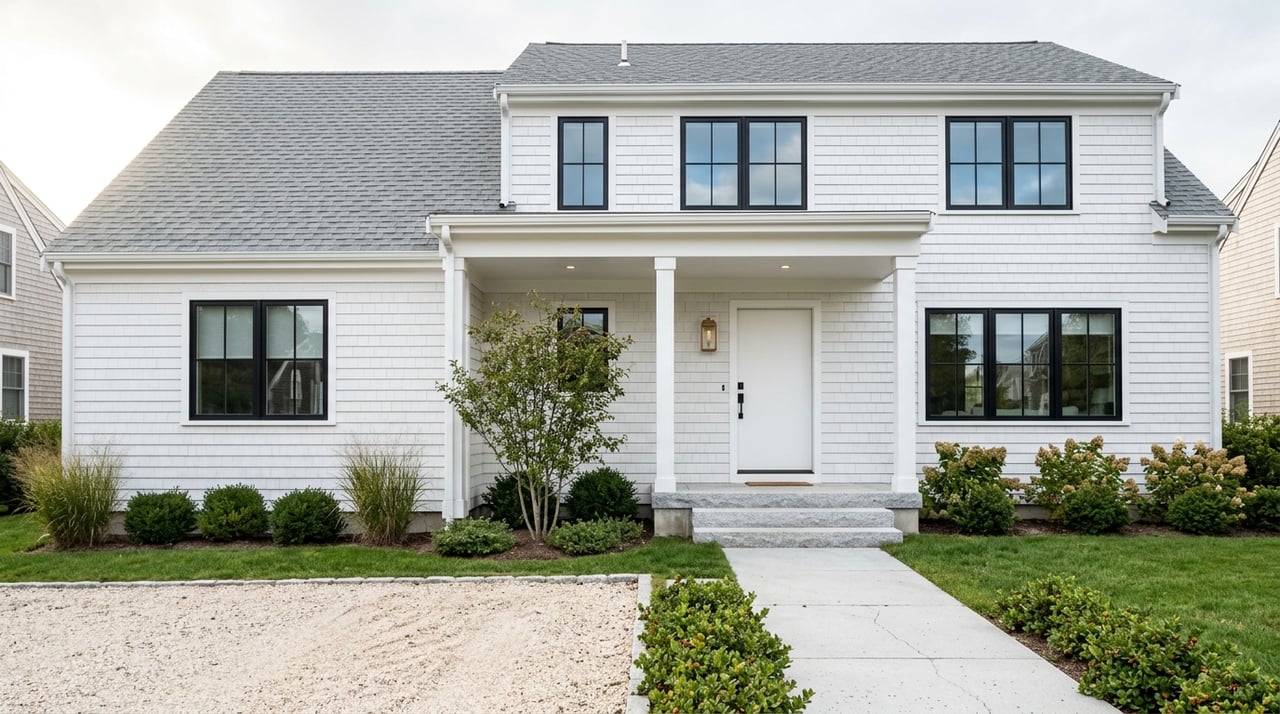
That means your property usually needs to win on experience. In Wells, that often comes down to privacy, parking, kitchen space, flexible sleeping arrangements, and the convenience of a more residential stay.
If your home offers those features, it may appeal to guests who want more room and independence than traditional lodging provides. But it is still smart to be realistic about competition, especially if you are entering the market during a slower season.
Start with local rules
Before you think about photos, pricing, or furnishings, confirm that your property can be rented under current local rules. This is especially important in Wells, where short-term rental regulations appear to be evolving.
Town materials have described proposed short-term rental frameworks with different stay thresholds and possible requirements such as licensing, annual fees, permits, and standards for parking, water and sewer, access, signage, and refuse. Because those materials have changed over time, you should verify the current town code and requirements before listing your home.
The key takeaway is simple: do not assume every Wells vacation home can be rented without review. You should confirm zoning, permitting, occupancy, and parking requirements early so you do not build a plan around assumptions.
Understand Maine tax registration basics
Maine taxes rentals of living quarters at 9%. For many owners, one of the biggest questions is when registration starts to apply.
According to Maine Revenue Services, if you rent only one unit on a casual basis for fewer than 15 days in a calendar year, you generally do not need to register. Once the property is rented for 15 days or more in a year, you must register, even if some bookings are handled through an intermediary.
Rental income also needs to be tracked carefully. If you move forward, keep clear records for rental days, personal-use days, cleaning, repairs, and other operating expenses, then review the details with a tax professional.
Focus on net income, not gross bookings
One of the biggest mistakes second-home owners make is focusing on the top-line booking number. What matters more is what is left after taxes, platform costs, cleaning, maintenance, and other operating expenses.
In Maine, the taxable sale price can include more than just the nightly rate. Maine Revenue Services says cleaning fees, pet fees, damage fees, and property management service fees can be part of the taxable sale price.
That means your gross booking total may look strong on paper while your actual net income is much lower. If you are evaluating whether to rent your Wells home, build your decision around realistic net proceeds.
Build a practical Wells rental budget
A workable rental budget should go beyond mortgage and taxes. Coastal homes often have more wear, more weather exposure, and more frequent turnover costs than owners expect.
Your budget should account for:
- Mortgage payment
- Property taxes
- Insurance
- Utilities
- Internet
- Cleaning and laundry
- Linens and restocking supplies
- Platform fees
- Property management fees, if any
- Repairs and routine maintenance
- Vacancy cushion
- Storm-related reserve
For a Wells property, it also makes sense to keep extra reserve funds for salt-air wear and weather-related maintenance. Those costs may not show up every month, but they can have a real impact on annual performance.
Review insurance before listing
Insurance should be part of your go or no-go decision, not an afterthought. For a coastal property, the policy review can be just as important as your pricing plan.
Maine Emergency Management Agency says standard homeowners insurance does not cover flood damage. The agency also notes that flooding can happen outside obvious high-risk areas and that government assistance is not guaranteed.
If you are thinking about renting out a home in Wells, review your current coverage carefully and ask your insurance professional whether flood insurance or other updates make sense for your situation. A rental strategy only works if your risk planning is solid.
If the home has a private well
If your Wells vacation home uses a private well, water testing is part of responsible ownership. Maine CDC says the property owner is responsible for testing and treating private well water.
The agency recommends annual testing for bacteria, E. coli, nitrates, and nitrites. It also recommends broader testing every three to five years for contaminants such as arsenic, fluoride, lead, radon, uranium, and manganese.
For rental planning, this is both a safety issue and a budgeting issue. If your property has a private well, build testing and any needed treatment into your annual operating costs.
Guest readiness matters more than décor
A pretty space can help your listing stand out, but day-to-day operations usually matter more. A successful rental needs clear systems, fast communication, and a plan for issues that come up during a guest stay.
Maine short-term rental guidance says owners should make renters aware of occupancy and parking rules, provide a contact number for emergencies or complaints, and include the E911 address and emergency instructions. Draft Wells materials have also pointed toward a 24-hour operator or on-call contact for some non-owner occupied rentals.
That means a booking calendar alone is not enough. If you are not nearby or cannot respond quickly, you may need local help to manage guest communication and urgent issues.
Create a simple operating plan
Before listing, think through how you will handle the basics:
- Guest questions before arrival
- Check-in instructions
- Cleaning turnovers
- Maintenance calls
- Parking guidance
- Noise or neighbor concerns
- Emergency response
- Storm-related power outages
If you can cover these items consistently, self-management may work. If not, a local property manager or support team may be worth considering.
Cover the safety basics
Safety is one of the easiest areas to overlook when a home is used mostly for personal vacations. Once you begin hosting guests, it deserves much more attention.
Maine guidance says smoke detectors are required in family dwellings. Smoke alarms should be in bedrooms and just outside sleeping areas, and carbon monoxide detectors should be battery powered or battery-backed and placed outside each sleeping area.
It is also smart to provide clear instructions for power outages and emergency contacts. In a coastal market where storms can interrupt service, backup planning helps protect both your guests and your property.
Make parking and beach access easy
Small local details can make a big difference in guest satisfaction. In Wells, beach parking is one of those details.
The town requires a Multi-Use Beach Parking Permit for metered beach lots from the Saturday of Memorial Day Weekend through Columbus Day and Indigenous Peoples’ Day. If your guests plan to use the beach, they should know what to expect before they arrive.
A simple guest guide can help reduce confusion. You may want to include parking instructions, beach access notes, trash guidance, quiet hours, and who to contact if a problem comes up.
Upgrades that support better stays
You do not need to over-improve a vacation home to make it rentable. In many cases, practical upgrades matter more than expensive finishes.
The most useful improvements are often:
- Reliable Wi-Fi
- Clear arrival instructions
- Labeled thermostats
- Extra linens and towels
- Durable flooring
- Simple house rules
- Visible emergency contacts
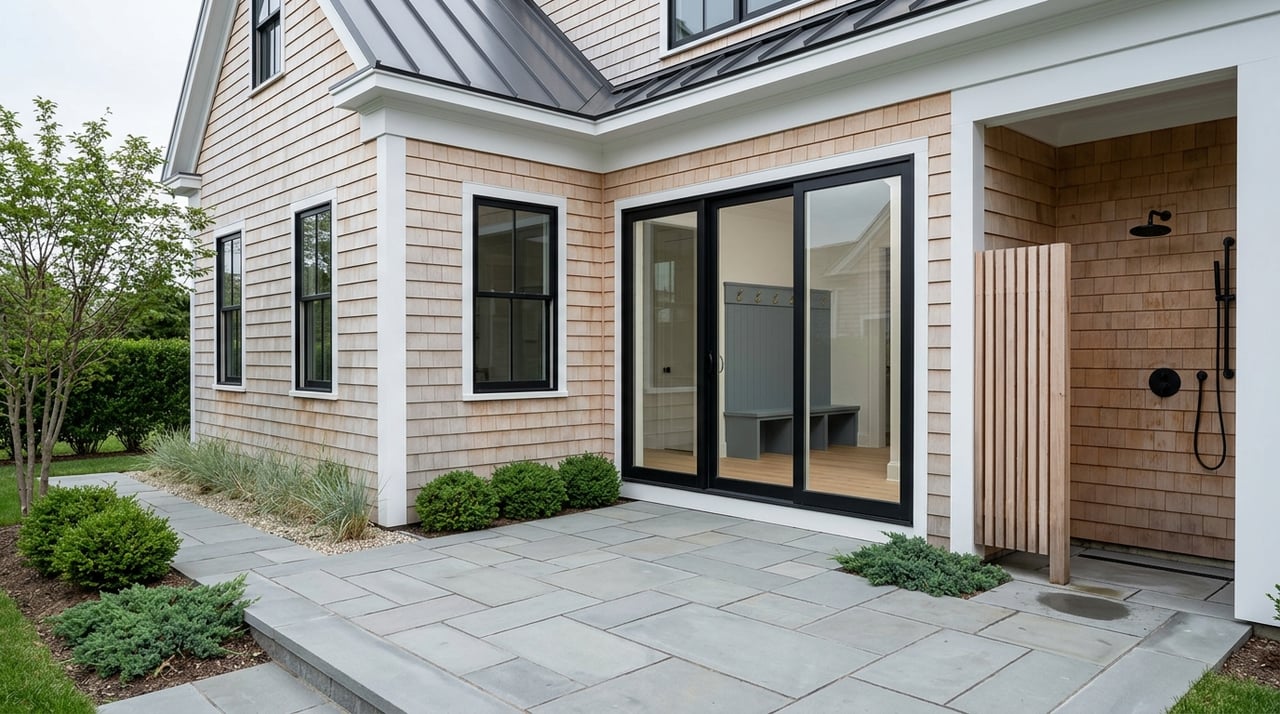
- Outdoor rinse area for sand and gear
These are not luxury add-ons. They are the kind of operational details that can make a stay smoother and reduce avoidable complaints.
Should you self-manage or hire help?
That depends on your time, proximity, and tolerance for interruptions. A part-time rental can look simple from the outside, but it still needs active oversight.
If you live nearby, know the home well, and can coordinate cleaning, maintenance, and guest communication, self-management may be workable. If you live farther away, use the home infrequently, or want a more hands-off experience, local management support may be the better fit.
The right answer is not only about cost. It is about whether you can deliver a reliable guest experience and respond quickly when something goes wrong.
Is turning your Wells home into a rental worth it?
For some owners, the answer is yes. Wells has a strong seasonal profile, established visitor demand, and a type of coastal housing stock that can appeal to guests who want more space and flexibility than a hotel stay offers.
But the best results usually come from realistic expectations. Before you list, confirm local rules, understand the tax threshold, review insurance, account for private well or utility issues, and build a budget based on net income rather than gross bookings.
If you are thinking through whether to keep, improve, rent, or eventually sell a Wells vacation property, a local real estate strategy can help you see the full picture. When you are ready to talk through your options, connect with Adam Parent.
FAQs
How many days can you rent a Wells vacation home before Maine tax registration applies?
- Maine Revenue Services says a person who makes only casual rentals of one unit for fewer than 15 days in a calendar year is generally not required to register. Once the property is rented for 15 days or more in a year, registration is generally required.
Does Wells currently require a short-term rental permit or license?
- Wells appears to be refining its short-term rental rules, and town materials have described different proposed standards over time. You should verify the current zoning, permit, licensing, occupancy, and parking requirements with the town before listing your home.
What should you budget for when renting out a Wells vacation home?
- A realistic budget should include mortgage, property taxes, insurance, utilities, internet, cleaning, linens, supplies, platform fees, possible management costs, maintenance, and a reserve for vacancies and storm-related repairs.
What if your Wells rental property uses a private well?
- Maine CDC says private well owners are responsible for testing and treating the water. Annual testing for bacteria, E. coli, nitrates, and nitrites is recommended, with broader contaminant testing every three to five years.
What insurance should you review before renting a Wells vacation home?
- Maine Emergency Management Agency says standard homeowners insurance does not cover flood damage, so you should review your policy and ask an insurance professional whether flood insurance or other coverage updates make sense for your property.
Should you self-manage a Wells vacation rental or hire a local manager?
- Self-management may work if you can handle guest communication, turnovers, maintenance, and emergency response consistently. If you are not local or want less day-to-day involvement, local management help may be the better fit.